Contre

|||||||||||


GC-07

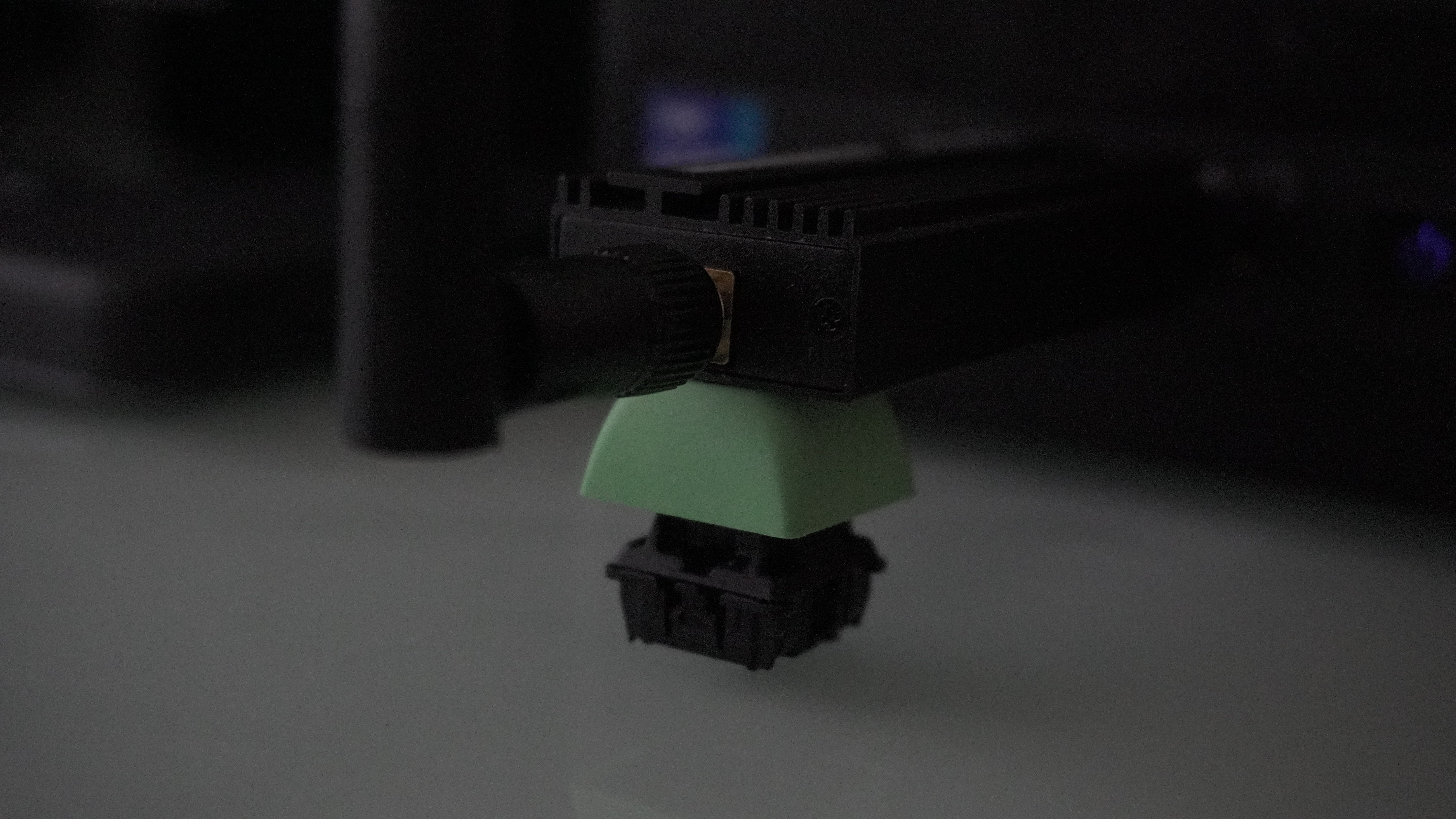
velocidrone


As a Linux user, I’m not exactly the best example for my !IT friends. If you can’t think of what !IT might be, it’s probably because you are one, a TI (Tech Illiterate). Which sounds rough, but it comes with love. I’m not the best example because I’m not a product user; I’m a technology user, and what the average user actually needs is a product, with its limits, its colors, and its little stars. On top of that, the concept of Linux as an OS is already fuzzy for any TI, and for anyone trying to install Linux for the first time, not knowing where to go buy it or what brand it is is usually enough to never even try.
Read more...

Shell Ops

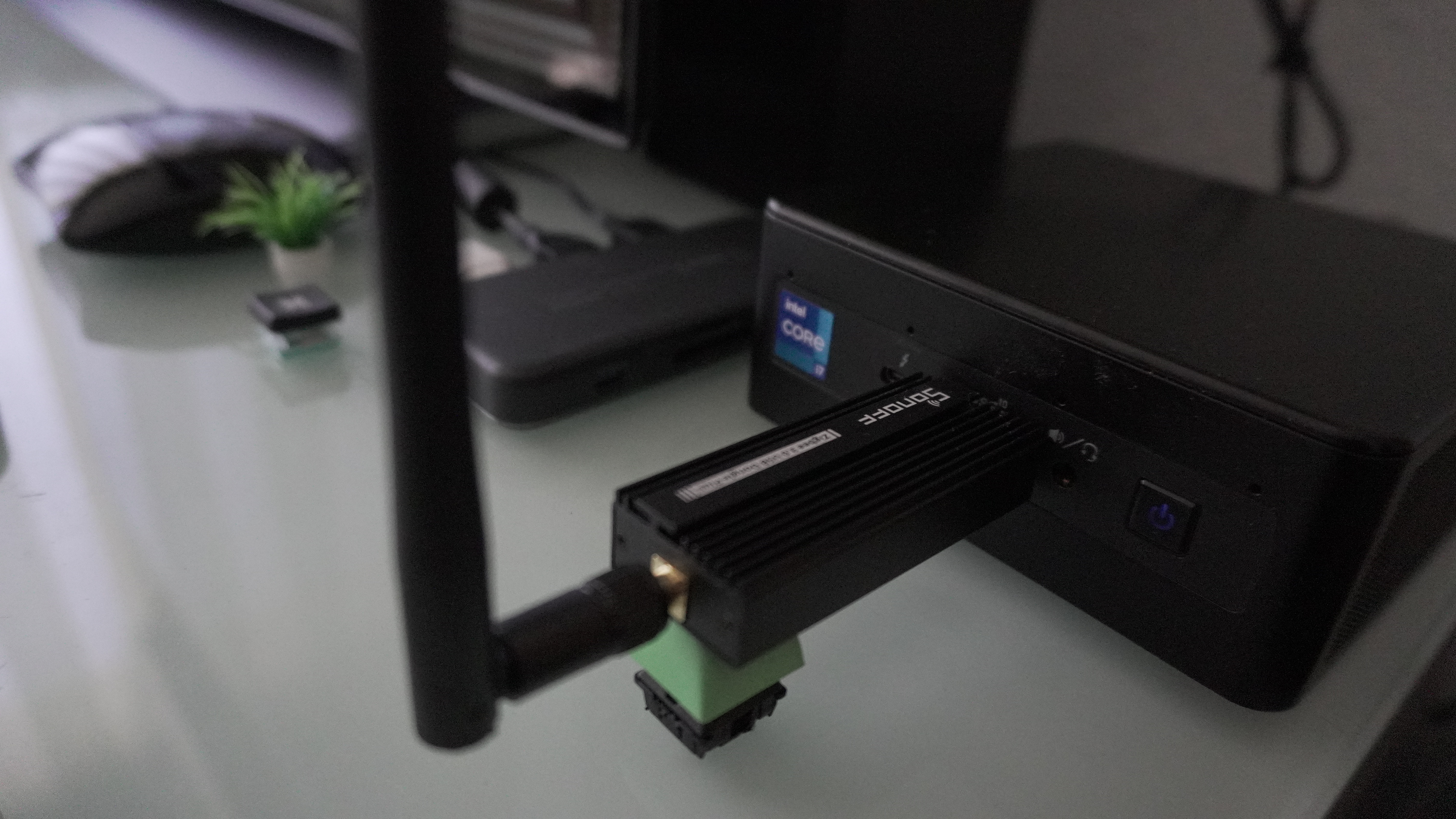
Dan Case v4.1

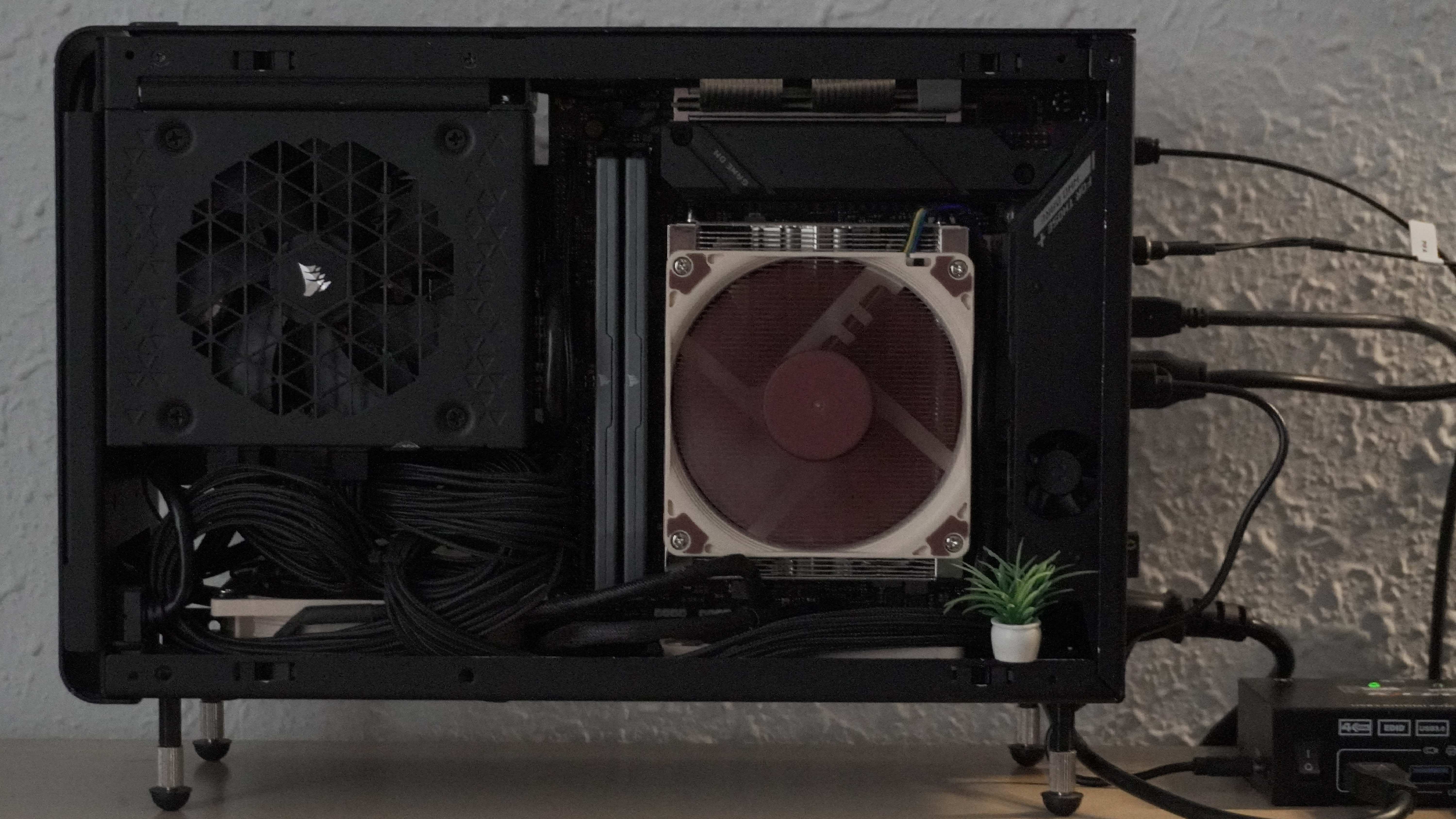
I’ve been hosting services at home since 2018. Started with Plex and a docker-compose.yml, migrated to Podman with podman play kube, and now I’m on Kubernetes with K3S. The server’s evolution has always been driven by whatever I felt like playing with at the time. I always avoided fancy prepackaged solutions like Flux or Argo, never had a NAS (for now), and never ran more than one or two nodes. To me, the home server is a synonym for infinite entertainment, and I’m pretty sure many others feel the same way. I could write for hours about my setup, NixOS, K3s, networking, the whole philosophy, but that’s not today’s topic. Today I want to share some shell-flavored tricks that make my day-to-day easier, in a world you choose to make hard for yourself.

Read more...

X4 Xteink

X4 Screen

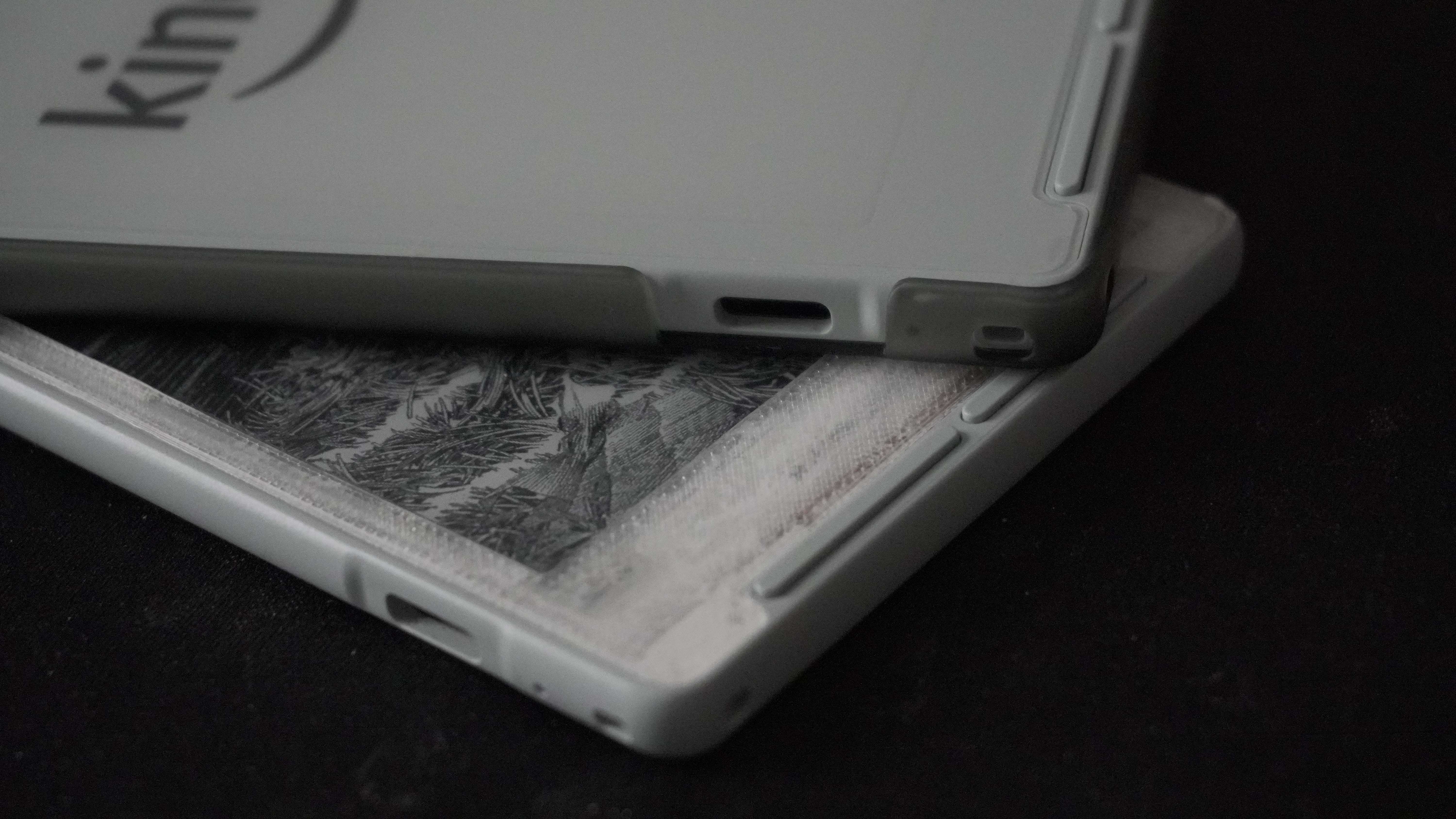
This post is going to be similar to the iPod one, but about the Xteink X4, more hardware-focused and aimed at whoever’s looking to fix their screen. The X4 is a bit more niche, so let me give you some context first. The Xteink X4 is a mini e-ink reader, think Kindle, but what really sets it apart is the size. It’s tiny. But size isn’t its only selling point; it’s also ridiculously cheap. You can get it on AliExpress for $65. Part of why it’s so cheap is because it’s Chinese-made, and if you’re still living in the past, let me tell you that’s not a synonym for bad. Quite the opposite. The X4’s hardware is pretty straightforward: an ESP32-C3 Series, a lithium battery (1200 mAh) that lasts weeks, WiFi, Bluetooth, and a fairly standard 4.2-inch e-ink panel (400x300) you can also grab on AliExpress for around $18.

Read more...

Fixing Moded iPod

iPodFix

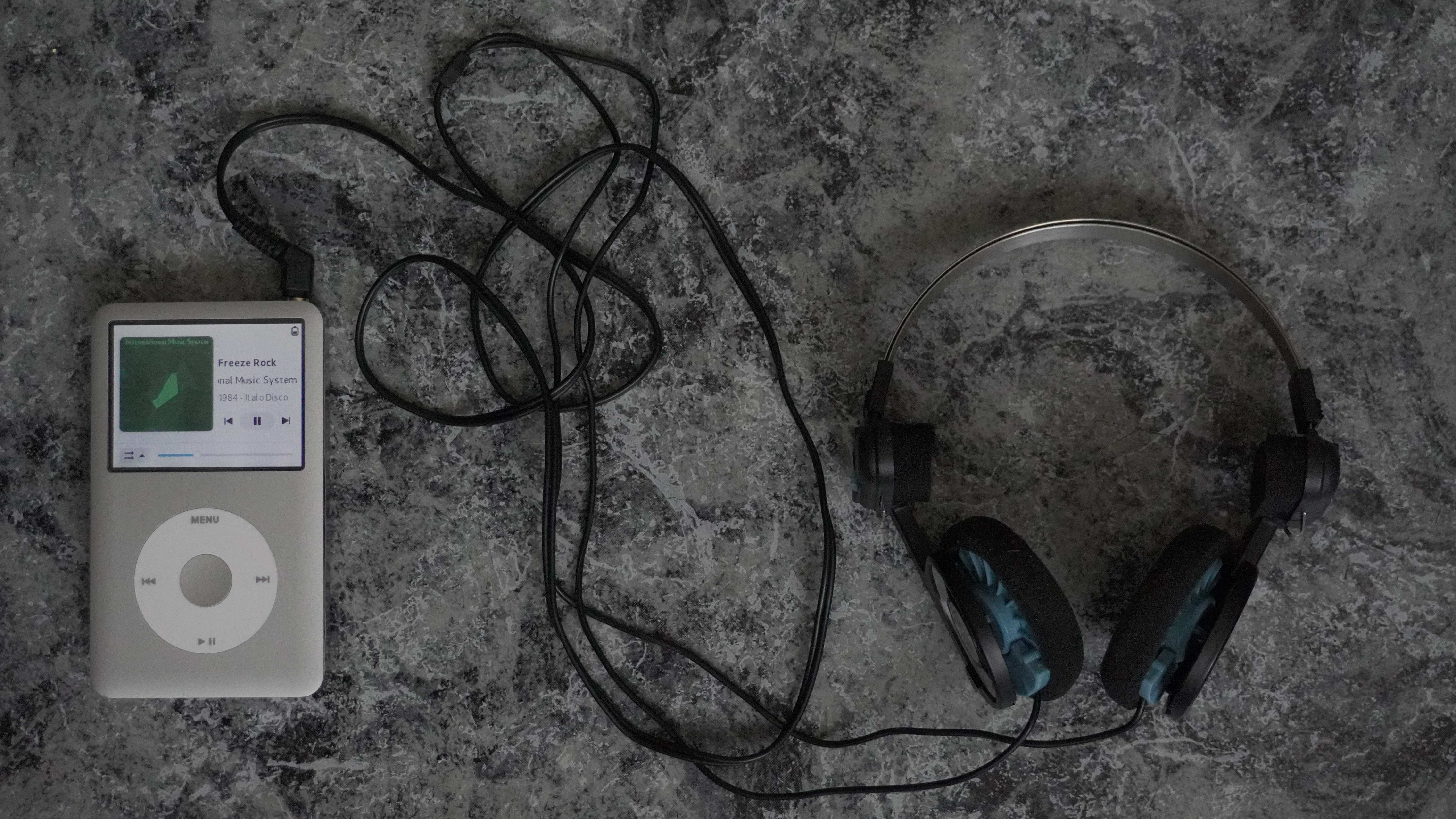
I somehow managed to mess up my iPod with dd. It would boot into USB/Disk mode with the Rockbox bootloader saying No Partition found. To recover it I had to restore it via iTunes/Finder on a Mac, which wiped the drive entirely and wrote a fresh Apple Partition Map (APM) partition table with the stock Apple firmware. Then I had to put Rockbox back on it — which turned out to be harder than expected because of the iFlash Solo board. This post covers the concepts that matter when doing this, not just the commands. It’s basically a dump of the things that were worth understanding while debugging and fixing the iPod.

Read more...

Greece

Acropolis

Not long ago I traveled through Greece and I’m sharing it with you. The trip was initially framed as a “Mythological” journey, where we’d visit iconic landmarks from Greek mythology. While it was a trip packed with history, religion, and philosophy, there was no shortage of landscapes or food either.

Just like what happened with Schwarzwald, this was one of those trips where I had very little idea of what we were going to do or where we were going. The planning was impeccable and entirely left in the hands of my travel companions.

Read more...

Music Gardening

Intro

It must have been around 2009 when I asked my older cousin what kind of music she listened to. That was the first time I clearly associated the idea of a “band” with “song”. Up until then, my relationship with music was more through osmosis than personal choice. Later on, I’d come to realize that what I had been listening to was mostly Anglo rock, some blues and some jazz —basically international stuff, kind of disconnected from any local context. I mostly listened to Aspen, a radio station that played (and still plays) soft rock classics from the 80s and 90s, along with a few English ballads and some pop. My dad was the one in charge of the dial, and that shaped a big part of what came into the house: lots of Genesis, Phil Collins, Pink Floyd, Eric Clapton, and other slightly soft-boy bands like Norah Jones, Bossa Nova, and so on, stuff I actually struggle to listen to nowadays. Argentine music came in more through Sumo, some La Bersuit, Soda Stereo and Serú Girán. But it was my friends who introduced me to more contemporary national rock—bands like Árbol, Airbag, and Ataque 77, which played alongside the cumbia and reggaeton hits of the time, like Daddy Yankee, Wisin & Yandel, and other Puerto Rican music.

Read more...

Schwarzwald

Fungi

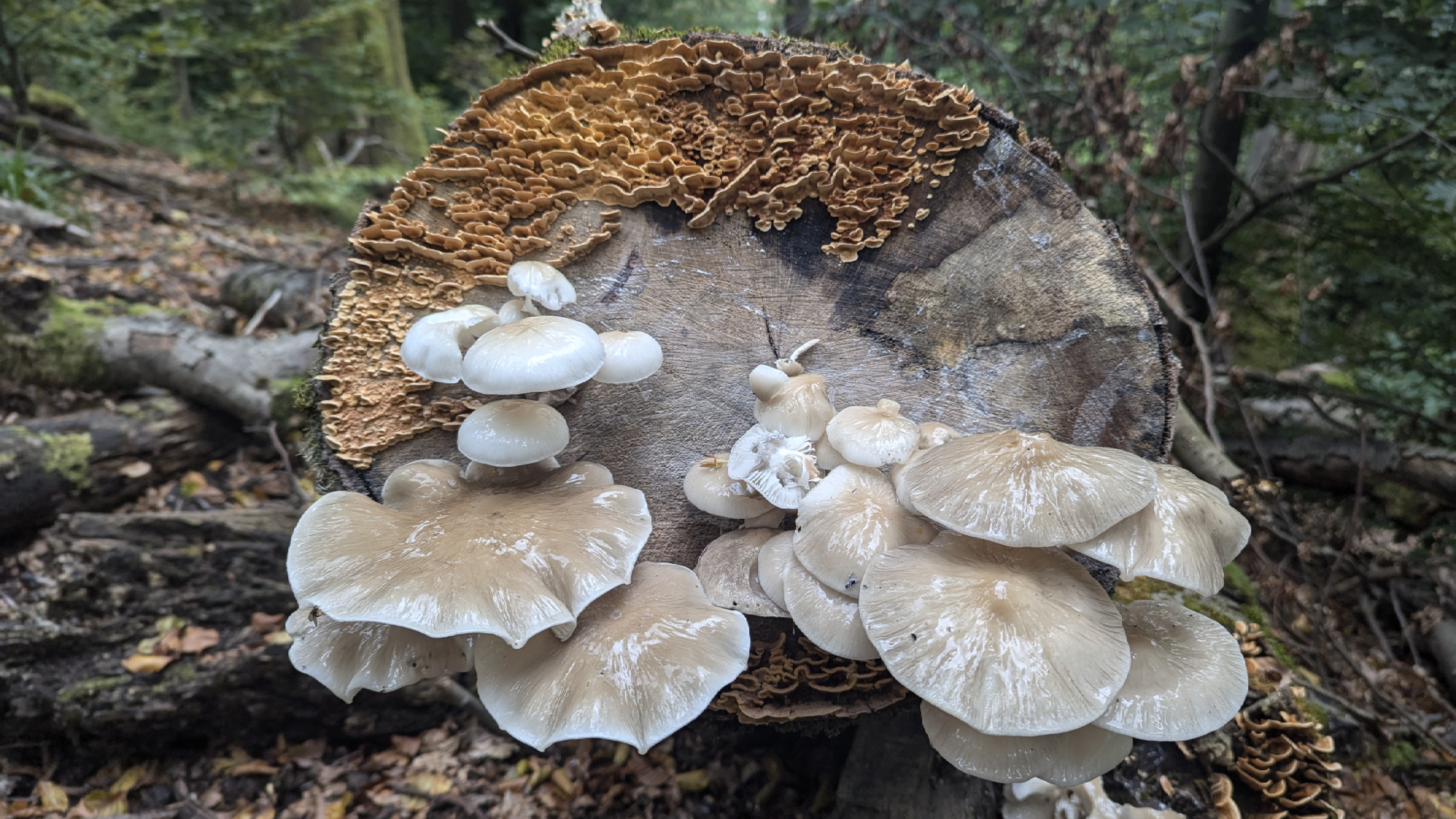
What initially were supposed to be 370 km on the bike ended up being less than half. However, it wasn’t easy and was even somewhat dangerous. We were accompanied by two sturdy bikes, a Giant and a Trek, both loaded on either side with clothes, food, and a tent, and they managed to handle dirt, mountains, and roads. The trains in Germany were a great help, both to avoid descents rated as “expert” on Komoot and to dodge 12 mm of rain one night.

Read more...

Mac setup (Part 0)

Intro

VPNs, SSH reverse tunnels, Syngergy -> Barrier -> Input Leap, KVMs. I’ve dodged using the Mac for nearly eight years, but now I have to give in.

WARNING: This post might seem obvious to many macOS users.

Coming from the Linux world of personal computers and having used tiling windows managers for a while now, I always struggle with using Mac OS at work. I don’t like it a single bit. I hate inability of solving problems, the lack of customization and control you have over the OS. But if there’s one thing that I hate the most is the fact that, as an user, one must forfeit to Apple’s concept of what a good UX is and not the other way around. Having the chance to bring the UX closer to the individual, while maintaining a usable software for the herd, is something they just don’t care and I don’t blame them. Nevertheless, there are some things I have done to try to make my experience better.

Read more...

GPG + SSH ?

Intro

This will be a small walk through on how to generate an authentication subkey on GPG and integrated with ssh. First of all bare in mind that will need a GPG key first in order to generate this subkey, if have not generated on yet refer to part 0 of these series.

Authentication Key

In order to generate an authentication key, as I mentioned before, you will need to have a key generated. Let’s check that with

Read more...

Dealing with your private key

Intro

Now that you’ve managed to create your own GPG key it’s time to understand a bit more about how GnuPG works.

The first question we need to ask is where are our keys stored. The answer depends on which version of GnuPG you are running. From version 2.1 onwards the method of storing your keys has change. On previous versions our keys were stored in two separate keyring under the ~/.gnupg directory. Prior version to 2.1 used to keep the public key pairs in two files: pubring.gpg and secring.gpg, you can imagine which stores which.

Read more...
1 of 2 Next Page