
Greece
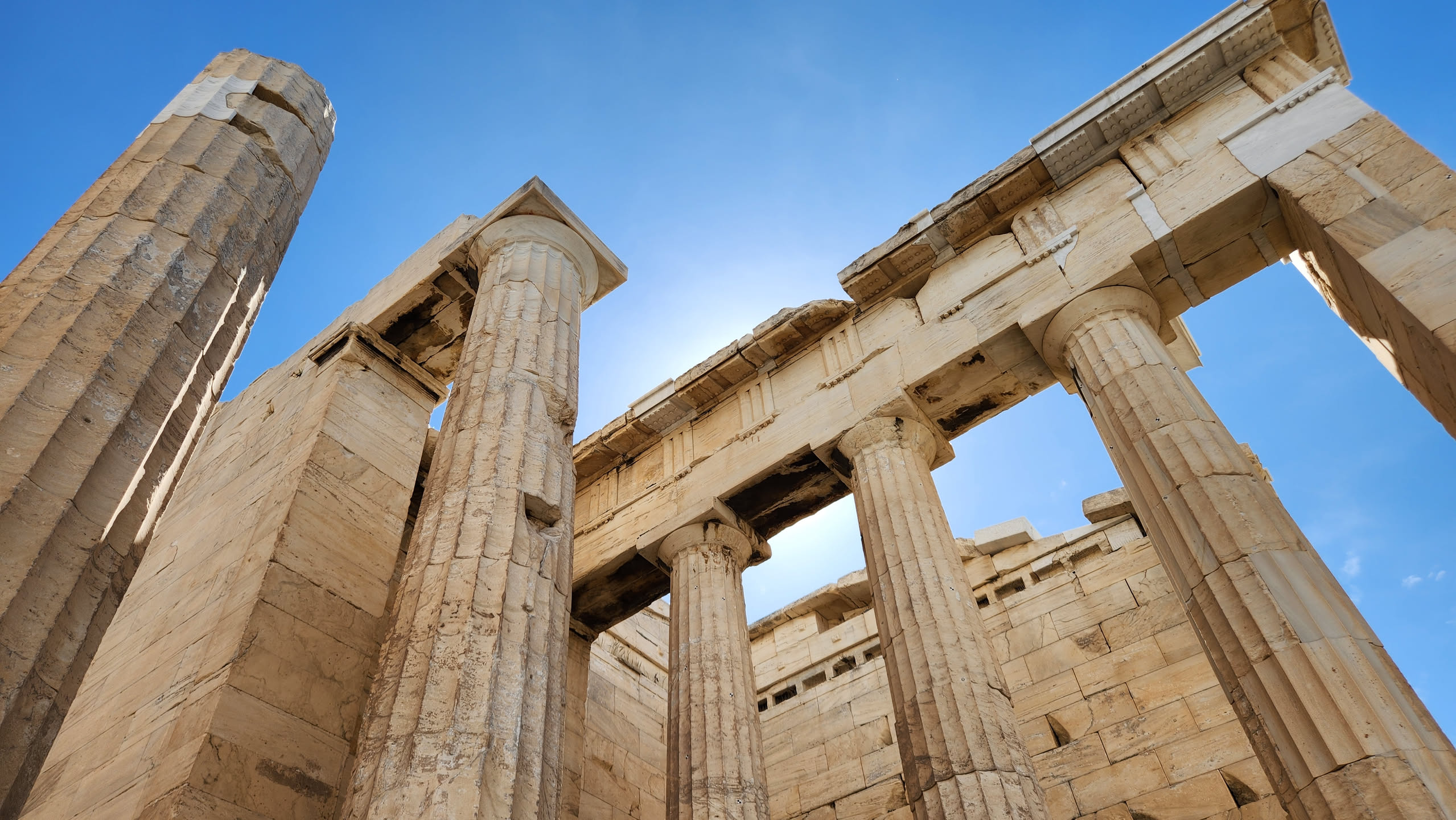
Not long ago I traveled through Greece and I’m sharing it with you. The trip was initially framed as a “Mythological” journey, where we’d visit iconic landmarks from Greek mythology. While it was a trip packed with history, religion, and philosophy, there was no shortage of landscapes or food either.
Just like what happened with Schwarzwald, this was one of those trips where I had very little idea of what we were going to do or where we were going. The planning was impeccable and entirely left in the hands of my travel companions.
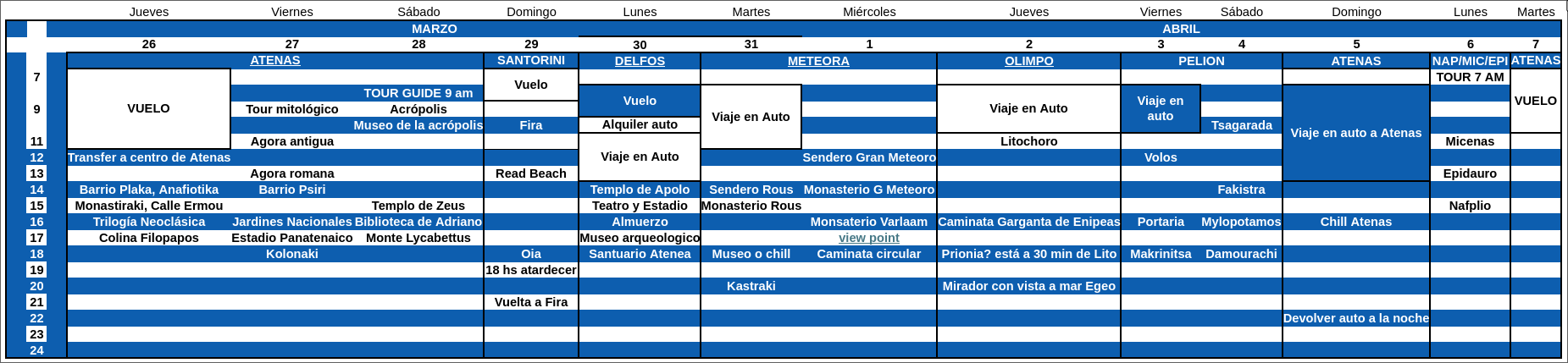
This photo shows only 20x16 cells of what was a Google Sheets spreadsheet with 560 cells and 2642 words of trip information. Yes, I counted them:
=SUM(ARRAYFORMULA(LET( all_data, { 'Itinerario'!A:Z; 'ATENAS'!A:Z; 'SANTORINI'!A:Z; 'DELFOS'!A:Z; 'METEORA'!A:Z; 'OLIMPO'!A:Z; 'PELION'!A:Z; 'NAFPLIO'!A:Z; 'MICENAS | EPIDAURO'!A:Z; 'Comida'!A:Z; 'Palabras'!A:Z }, IF(all_data="", 0, LEN(TRIM(all_data)) - LEN(SUBSTITUTE(TRIM(all_data), " ", "")) + 1))))
A kind of planning that, despite appearances, was very loosely structured. Far from defining every single thing we were going to do, it gave us an abstract idea of the cities we wanted to visit and, above all, provided information that helped us make better decisions day by day.
Athens was the most chaotic of everything — very much a city. Dirty, with a lot of people on the streets. What caught my attention most about the society was the smoking: inside cars, with the windows up. It wasn’t unusual to walk into a shop or even a taverna and smell cigarettes. The streets are naturally chaotic, where depth perception and common sense rule over traffic lights and STOP signs. It reminded me a bit of driving in Argentina and Pablow’s tireless take on the law as a set of guidelines rather than rules. Along the same lines, the scarcity of police on the street was also noticeable — and when there were any, they behaved exactly like any other citizen, unlike what I’m used to in Barcelona, where the police feels more like a uniformed pedestrian with privileges.
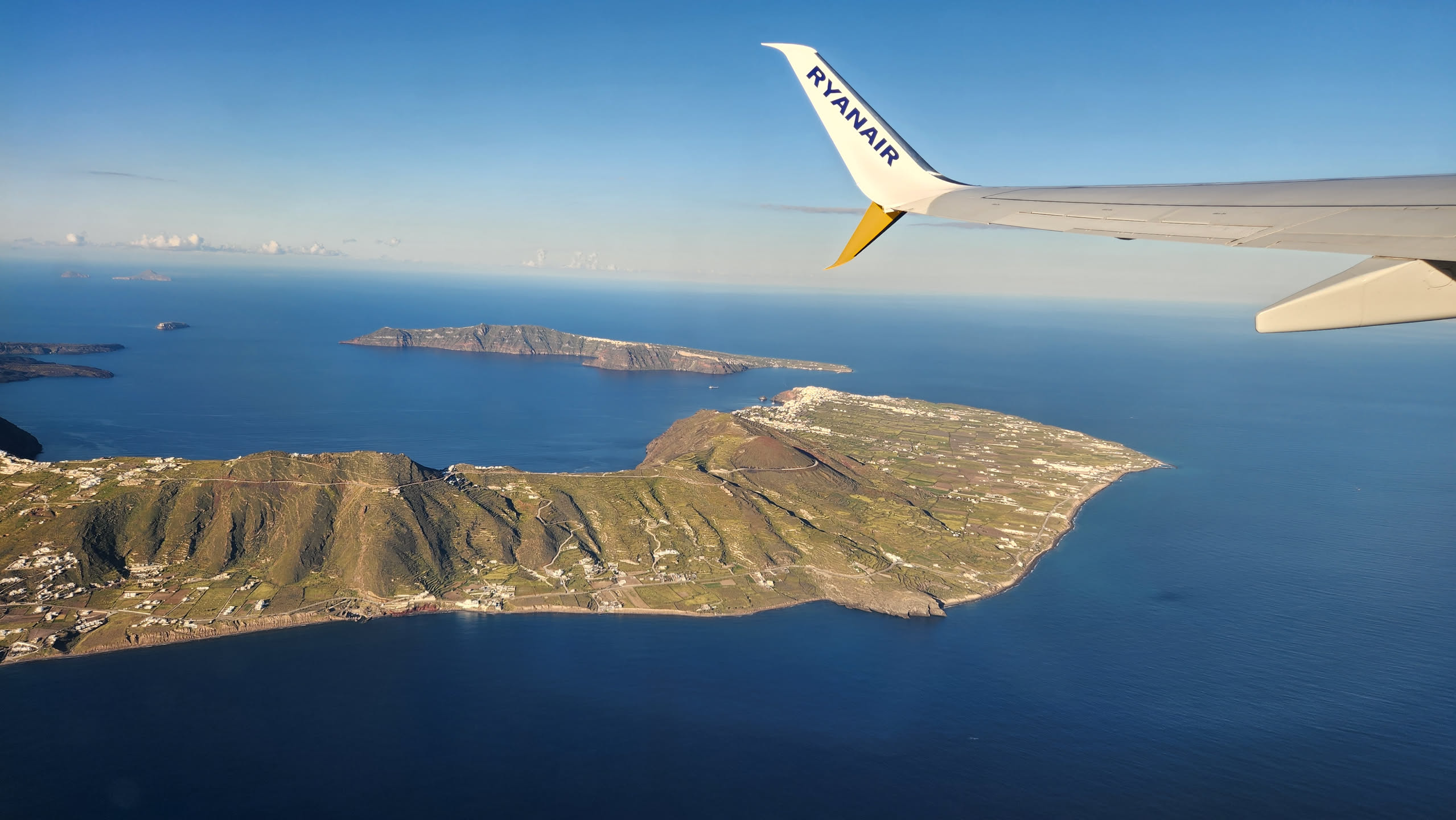
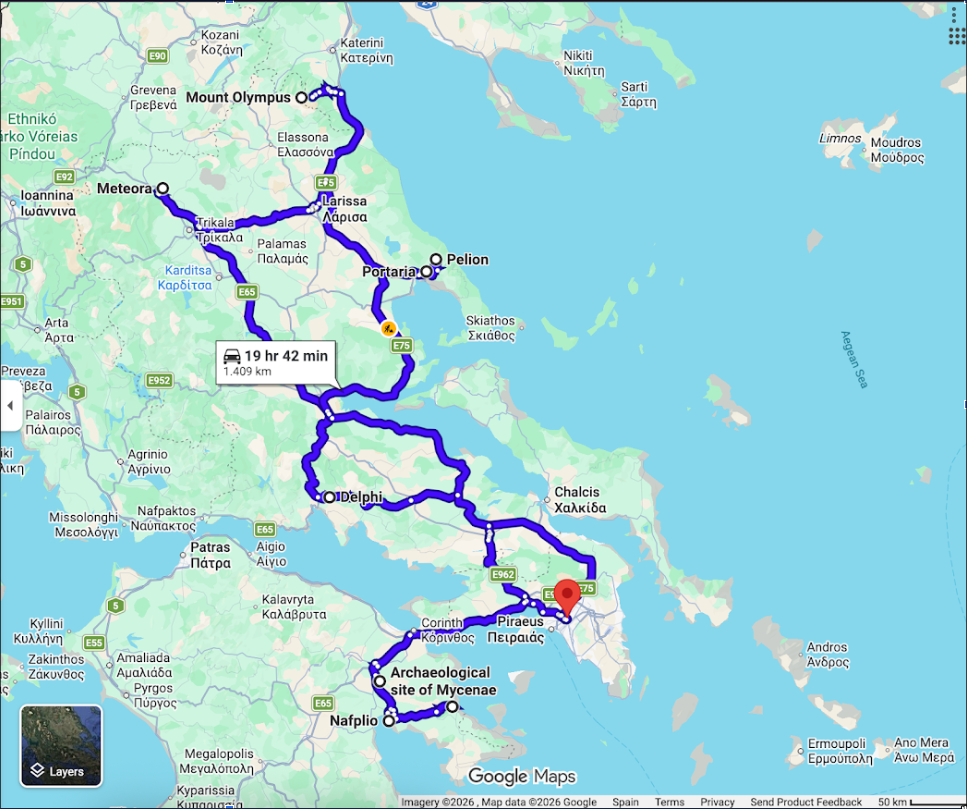
We spent 2 days there at the start and one at the end of the trip. In Athens we visited the Acropolis, the Temple of Olympian Zeus, a museum or two, some churches, Syntagma Square, and we missed the Ancient Agora, which we only saw from a distance. After settling in a bit and making a brief visit to the island of Santorini, the road trip began — here’s the route map -> Route map
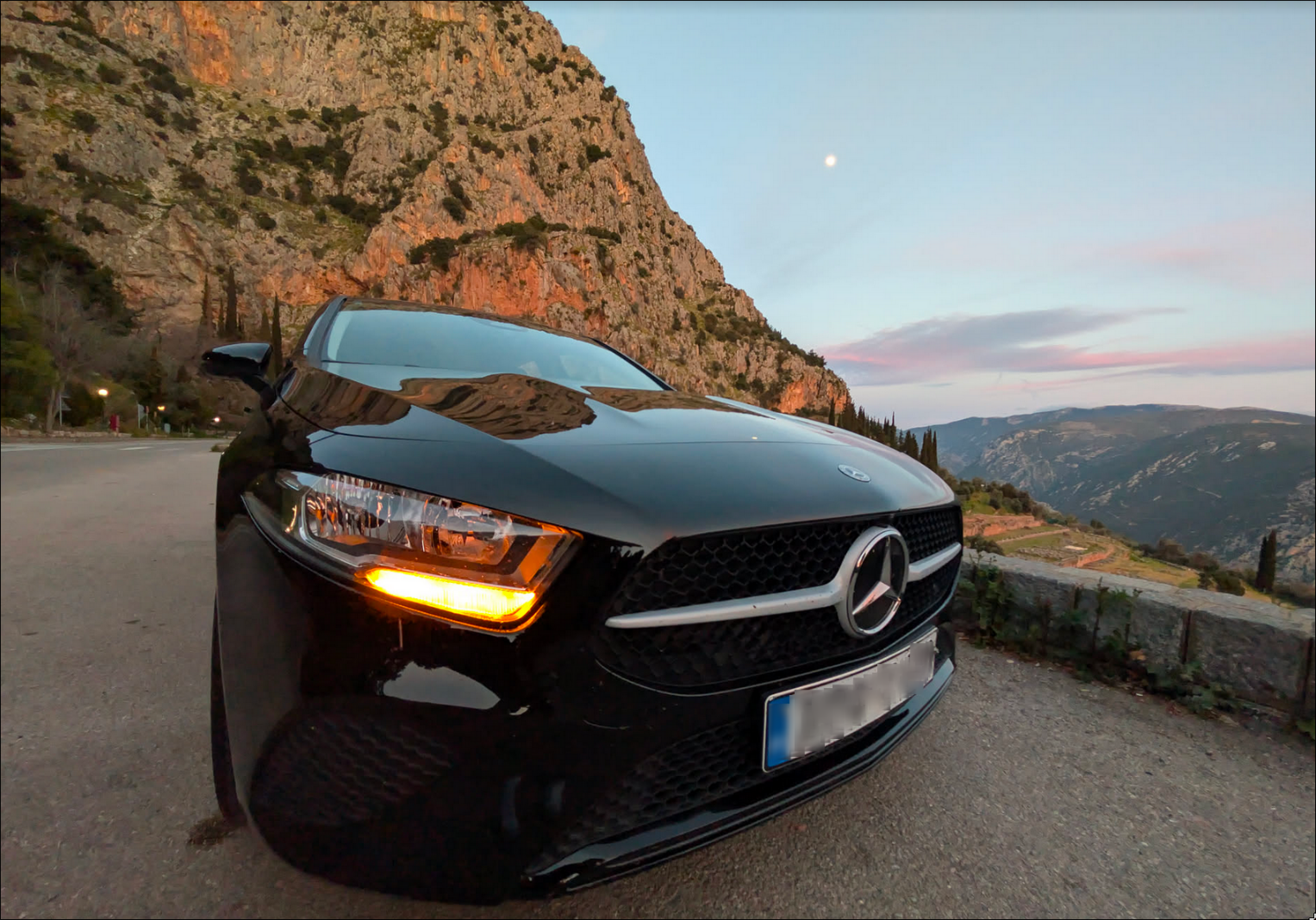
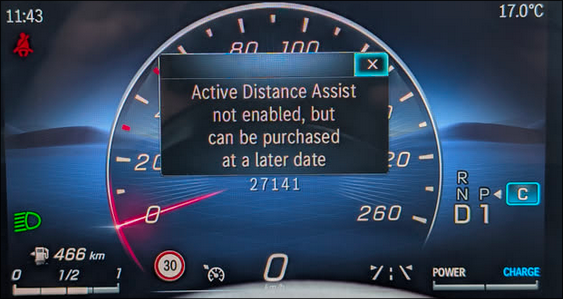
To cover the cities we had in mind, renting a car was the only option. Much to my disappointment, we had to go with a German car instead of a Japanese one, but it went great. It was my first time driving this much outside of Argentina, but as I mentioned, the way Greeks drive isn’t all that different from ours. On top of that, the roads are better maintained and traffic signs are everywhere. I was the only driver but enjoyed it — I’d missed driving the way I used to back in Argentina. The car was full of gadgets: it self-corrected if you drifted out of your lane, read speed limit signs off the road and warned you if you went over, and so on. The only thing missing was proximity sensors — something pretty basic — which apparently you had to pay extra for.
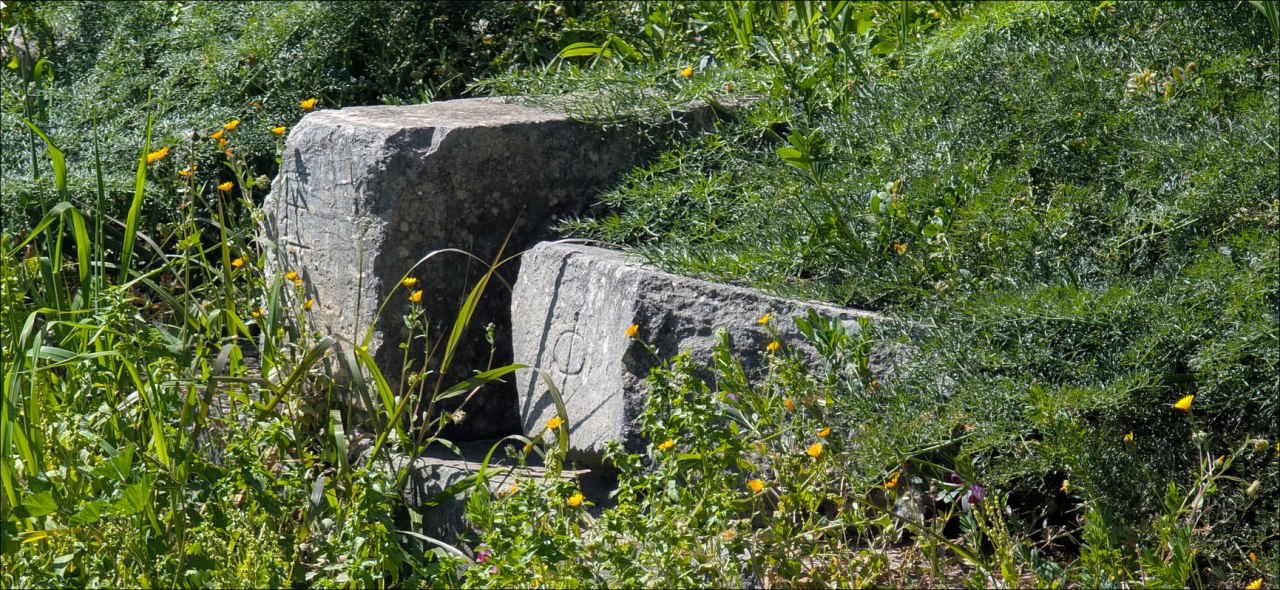
Greece is a place full of history and mythology, the birthplace of democracy and a cornerstone of Western culture. I’ll admit history never interested me that much and I have a hard time retaining it, but it was fascinating to approach it through mythology. One of the guides told us that “in every myth there is a half-told historical truth” — and I couldn’t help thinking that in every piece of history, there’s also a well-told lie. I like to think that just as Hollywood shapes reality through film today, the Greeks did the same with their myths. In the end, what survives isn’t what happened, but what gets told best.
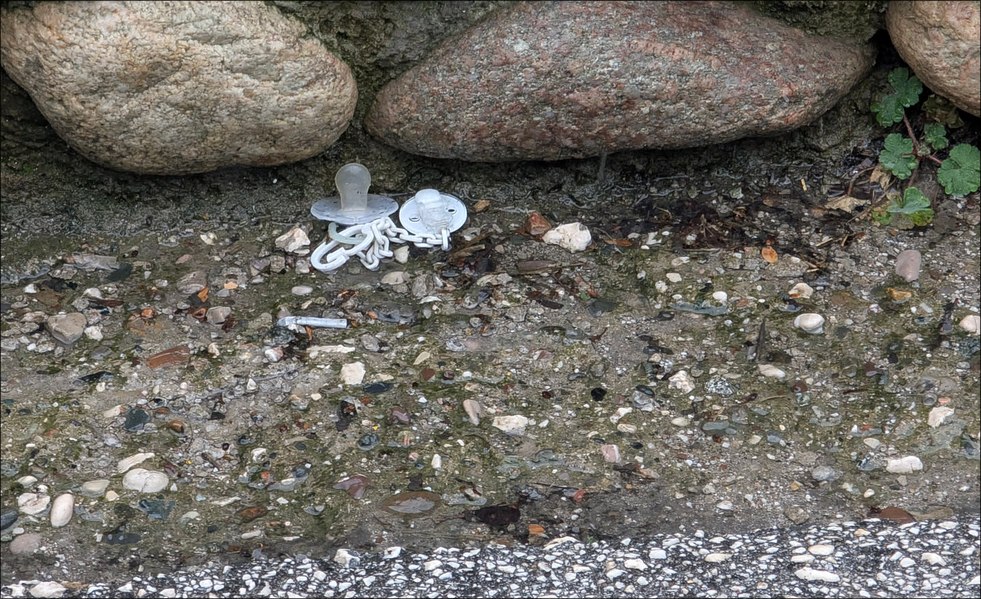
Of all the cities we visited, the ones that unsettled me most were those mentioned in the myths I kept hearing about. Just like Hercules, Chaerephon (Socrates’ friend), and Oedipus before us, we too visited Delphi. For the Greeks, Delphi is the “center of the world” or “navel of the world” — we must have heard the myth about Zeus releasing two eagles from opposite ends of the universe and having them meet there at least five times. But there was something more: Delphi was also home to the Oracle. What a fascinating concept in human history, right? I imagine it was their kind of AI, they would go with a complex question and the oracle would reply with a mysterious non-deterministic answer. Anyway. As we walked through the Temple of Apollo, we thought about what we would have asked the oracle if we had lived in that era. I thought of something rather transcendental — I wanted to know whether I should or shouldn’t have children, questions worth asking for someone who’s 30 in 2026. My friend asked whether his favorite football team would win a title this year. The curious thing was that the very next day, on the way to Meteora, we came across this. Those who know me know there’s nothing further from my worldview than divine providence, and I don’t have the academic trajectory to go around speculating about destiny — but finding a pacifier the next day was more than a little amusing and mostly fun. I’m now waiting to see how my friend’s team does.
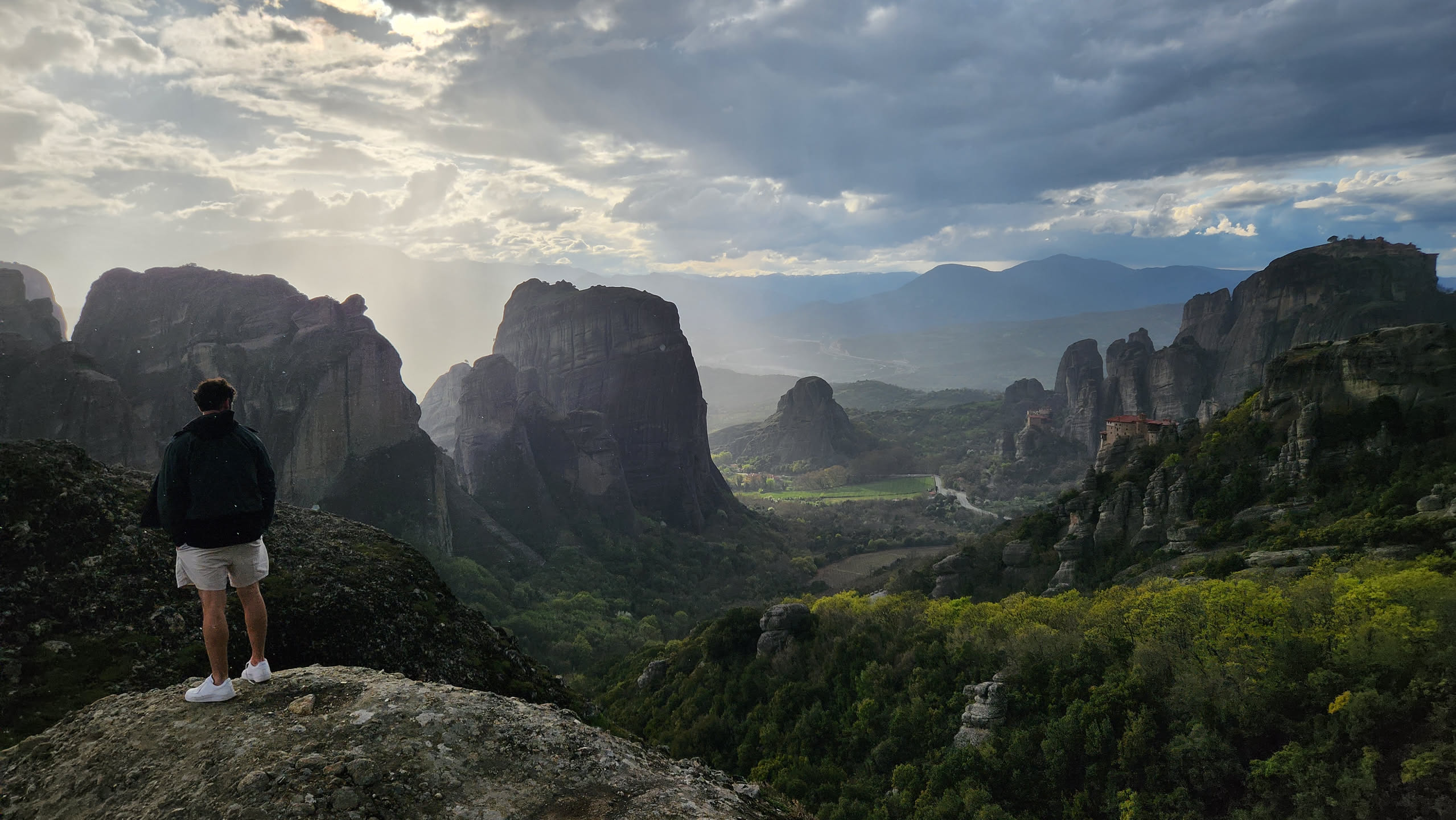
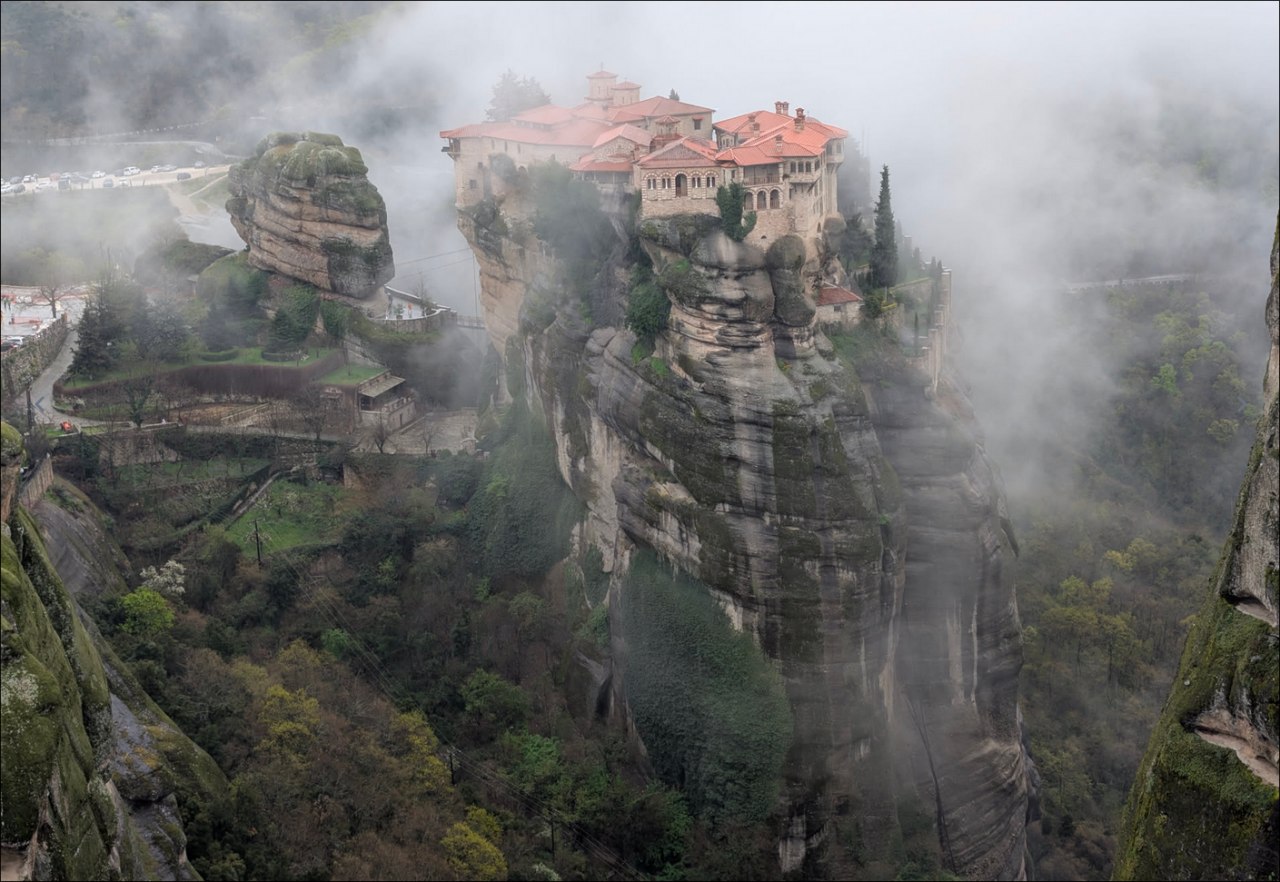
The next stop was, I’d say, the place I liked the most — for its nature and the uniqueness of its architecture. Meteora has volcanic rock formations unlike anything I’ve ever seen. We were told that at some point all of it was ocean, and that you could find crustaceans and seashells embedded in the rocks. It was hard to choose just one image for the post, but if you’re curious here are more.
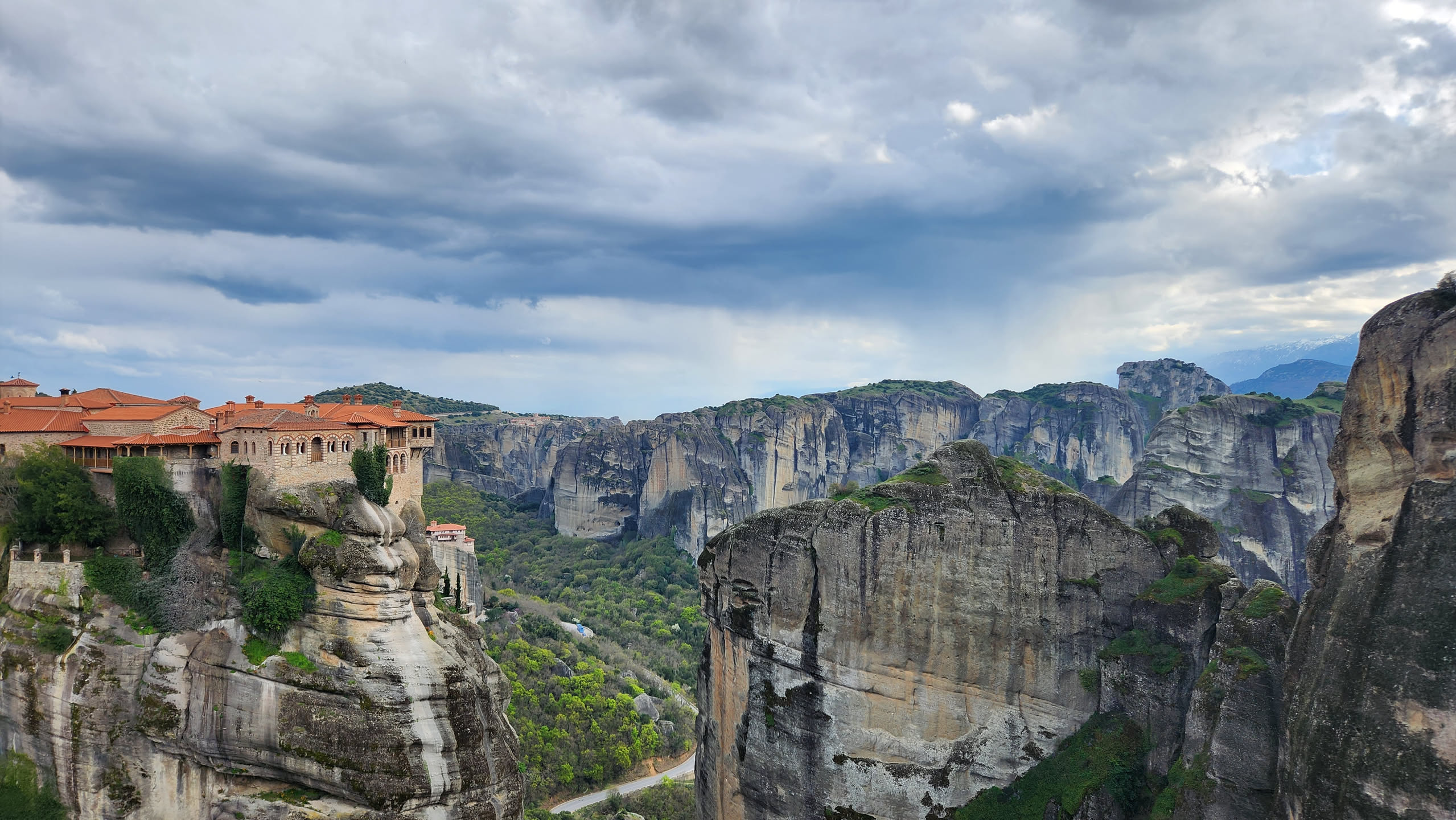
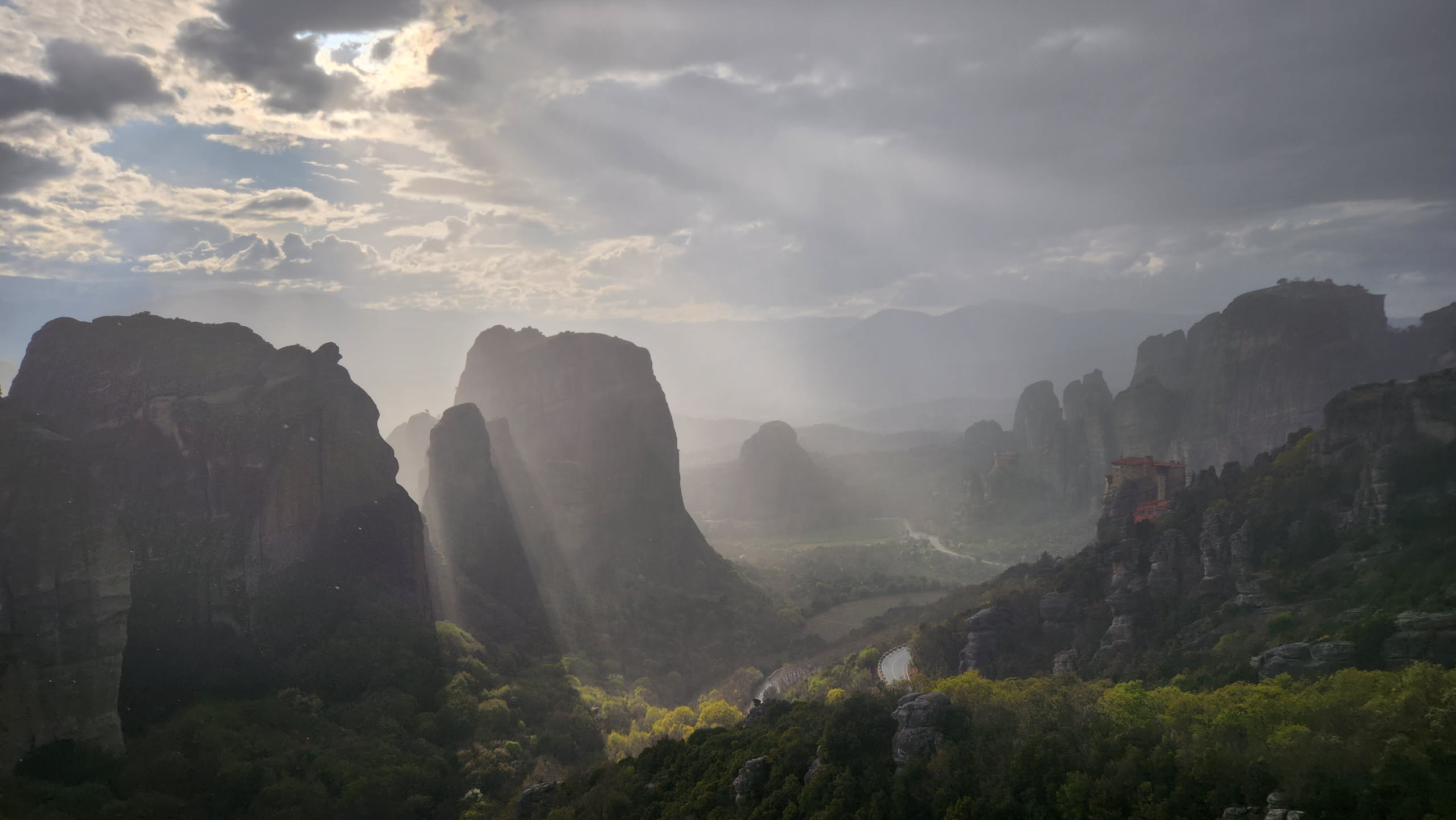
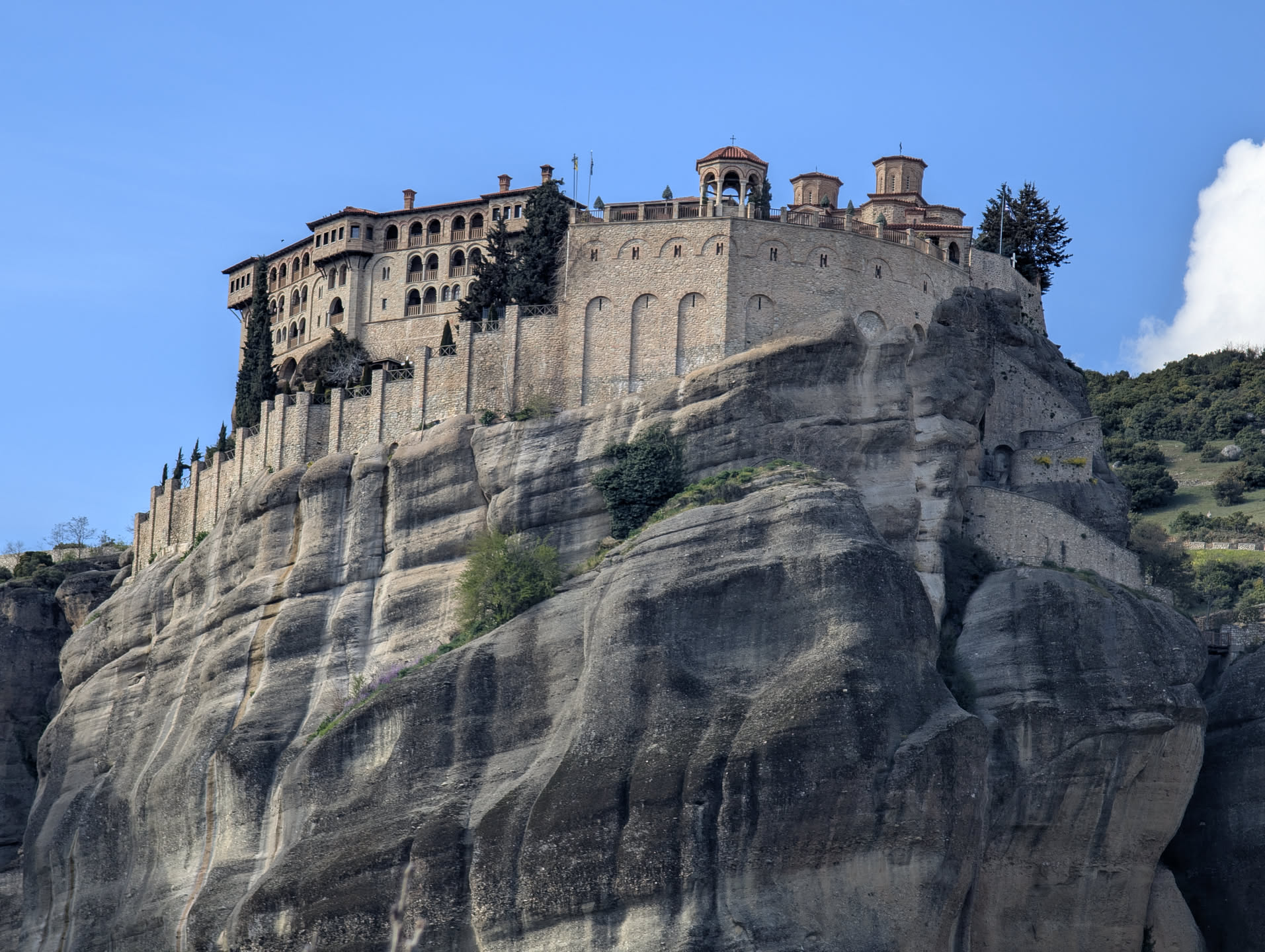
If you fed an LLM the full transcript of the conversations we had while traveling, religion would be among the most frequent topics. As always, those conversations inevitably brought me back to the amount of time I dedicated to it as a teenager — through retreats, sacraments, seminars, and books I read. I ended up making a list of the books; ask me and I might share it. Talking about religion and spirituality was both unavoidable and rewarding. Alongside that came conversations about politics, the church as an institution vs. the church as a community, and of course the trending topics of recent years: AI, cognitive sovereignty, access to information, evolution, identity, and consciousness. Some of those drives were simply fascinating.
Reading was an important part of the trip. A fundamental trait of this group is that it’s totally fine if your social battery is low and you pick up a book in the middle of a café, in the car, or whenever. One reads while two talk, two read while the other stares at the ceiling, or all three read — no big deal. While my friend read 3 books over the course of the trip, I couldn’t finish the one I’d already started. Here’s his review on his books:
-
Mythology (Edith Hamilton): Pretty thorough; stands out because it quotes and draws directly from the original authors of the myths.
-
24 Hours in Ancient Rome (Philip Matyszak): Immersive; recounts everyday life in Rome with content that feels well-grounded. He never missed a chance to share some story from the book that made us stop and think.
-
The Greek Myths (Robert Graves): Shorter; useful as a recap and reinforcement of what Hamilton covers.
-
The Song of Achilles (Madeline Miller): Still reading it, but going well.
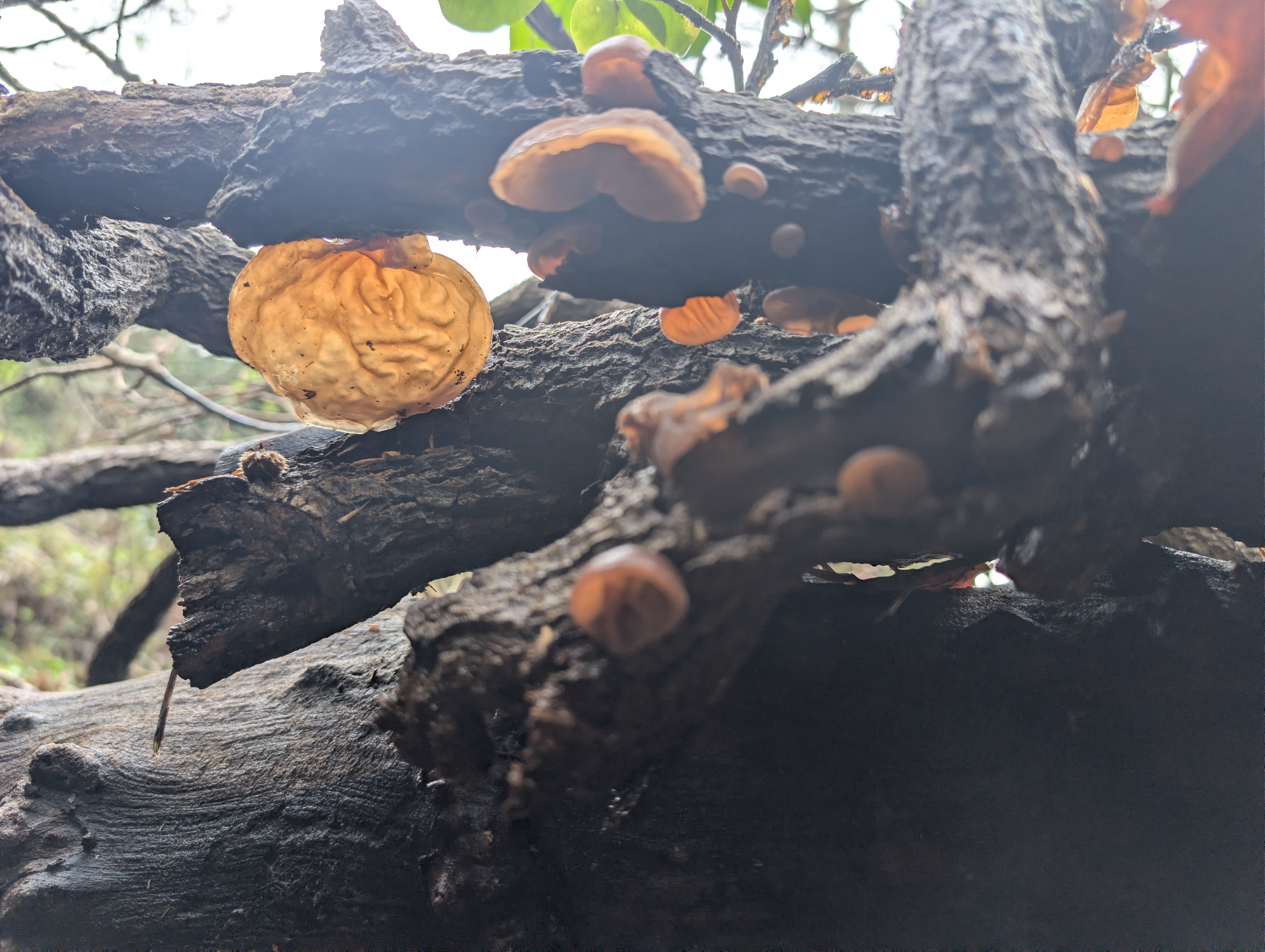
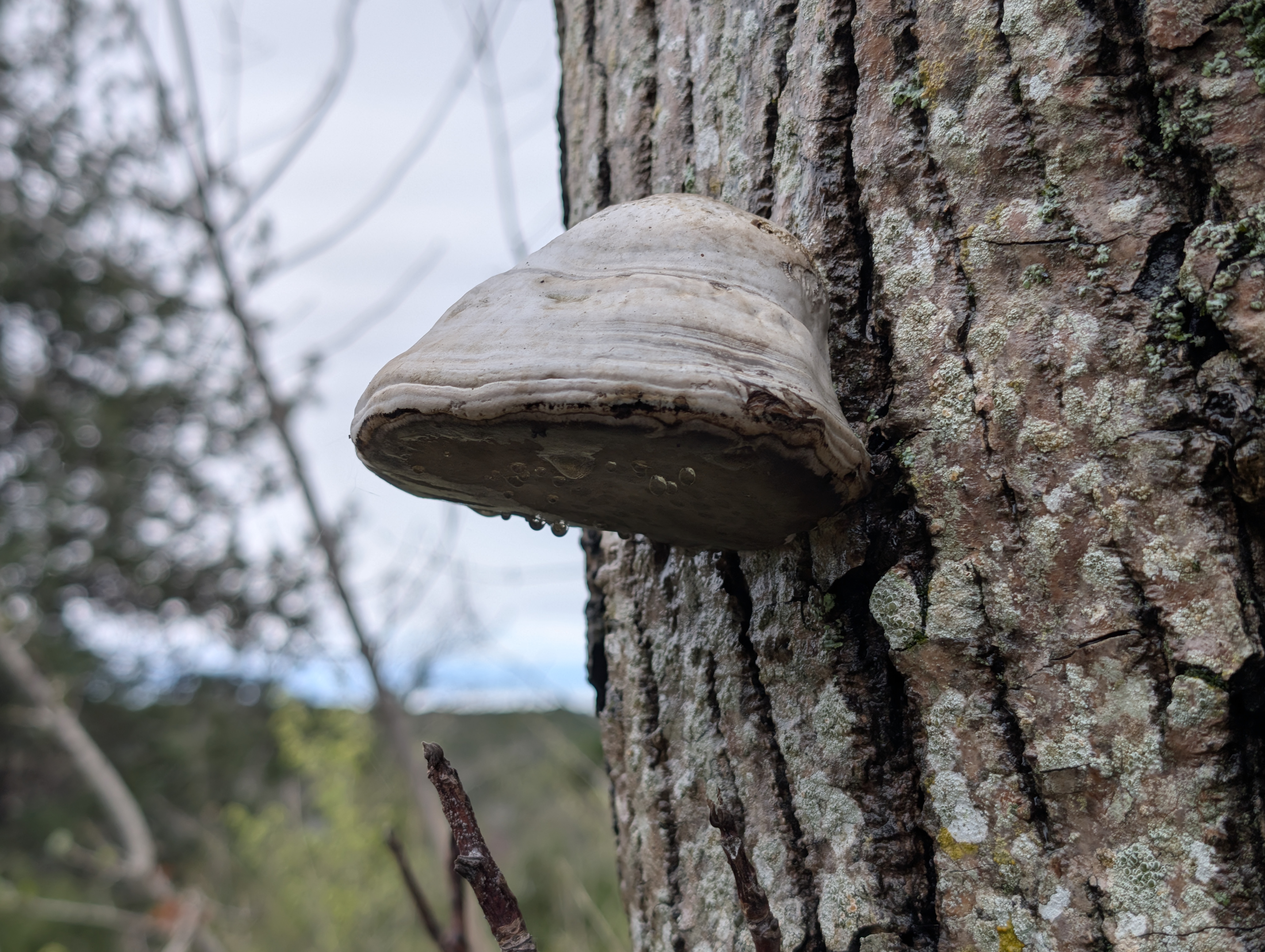
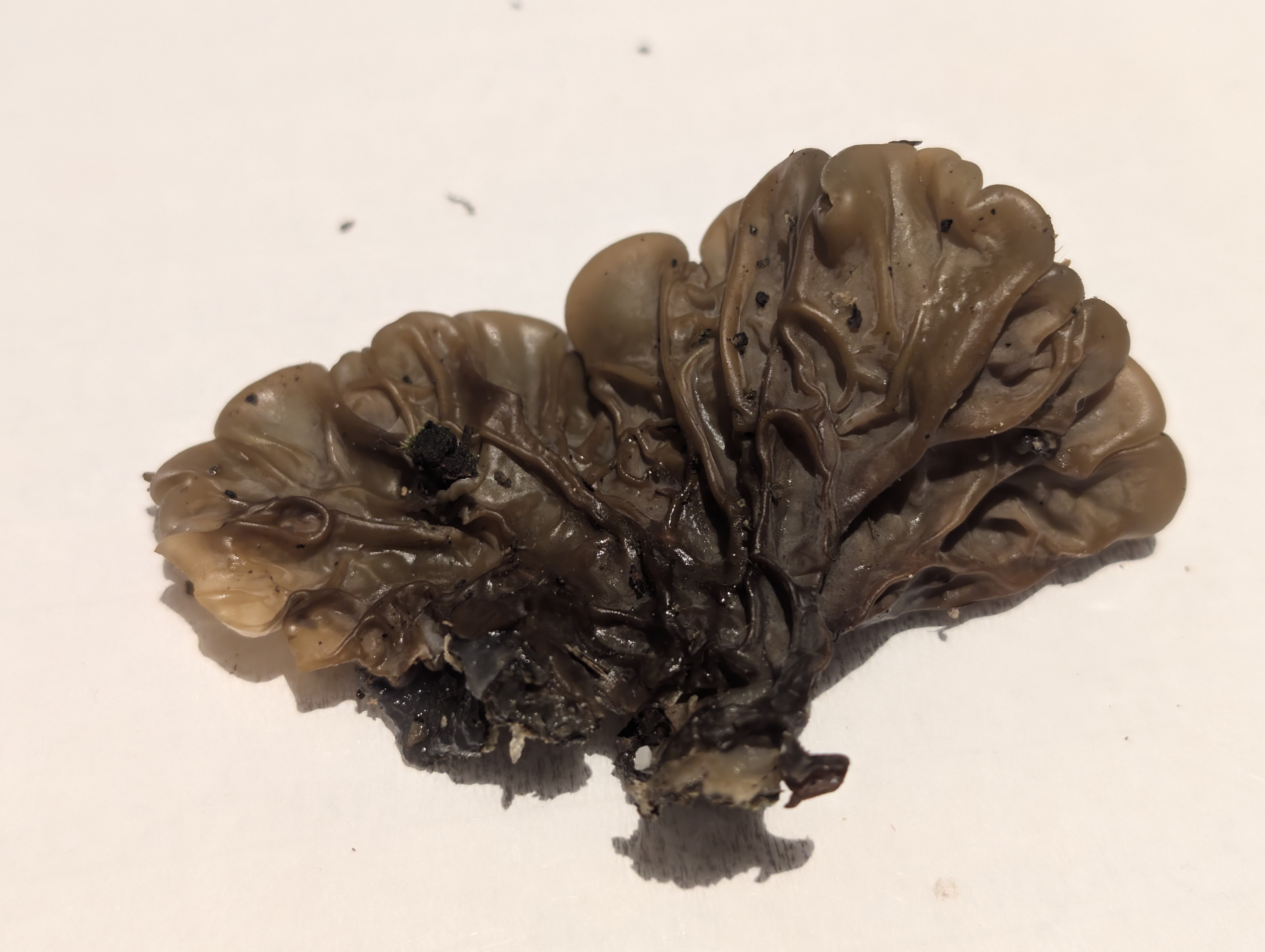
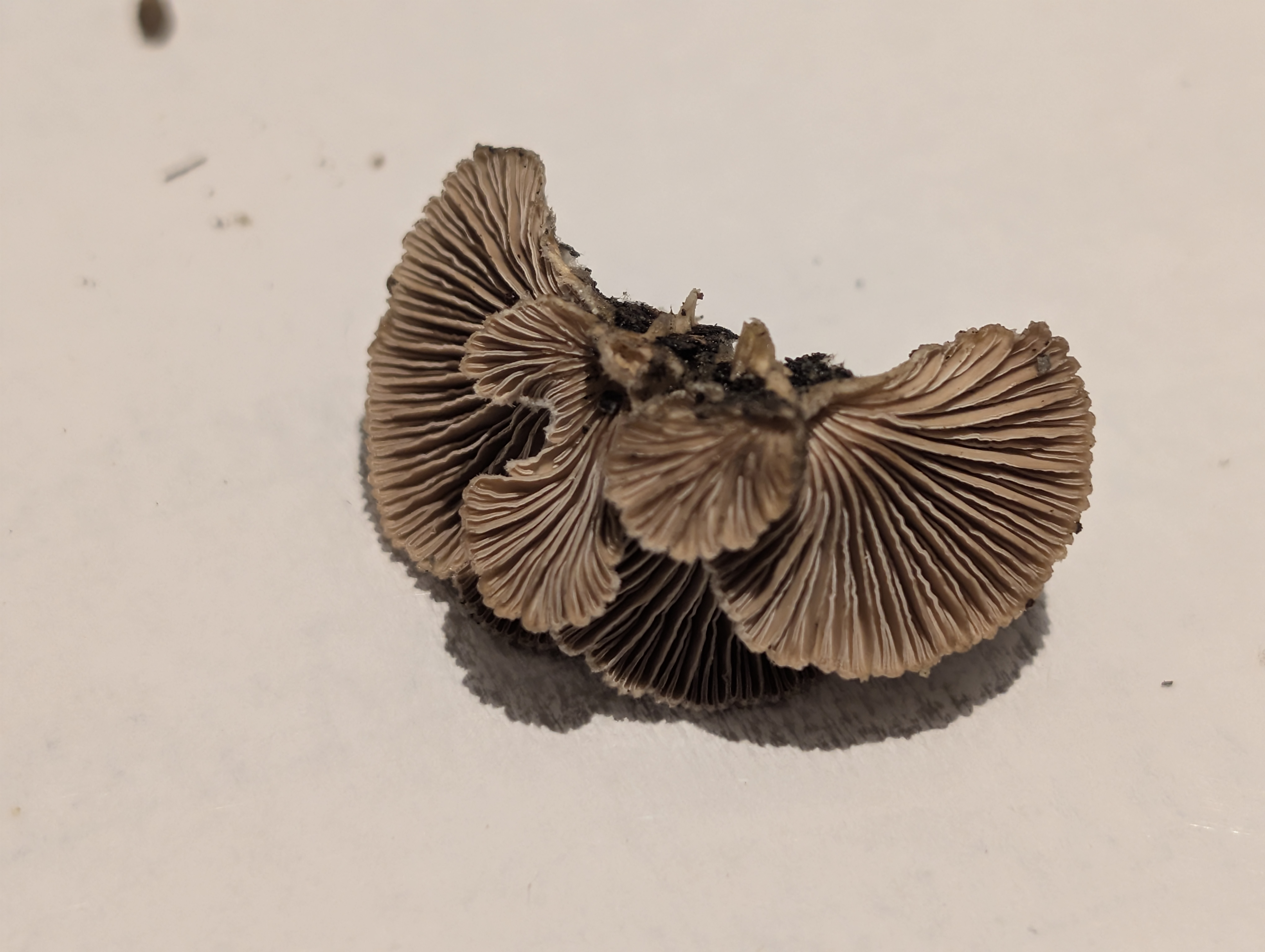
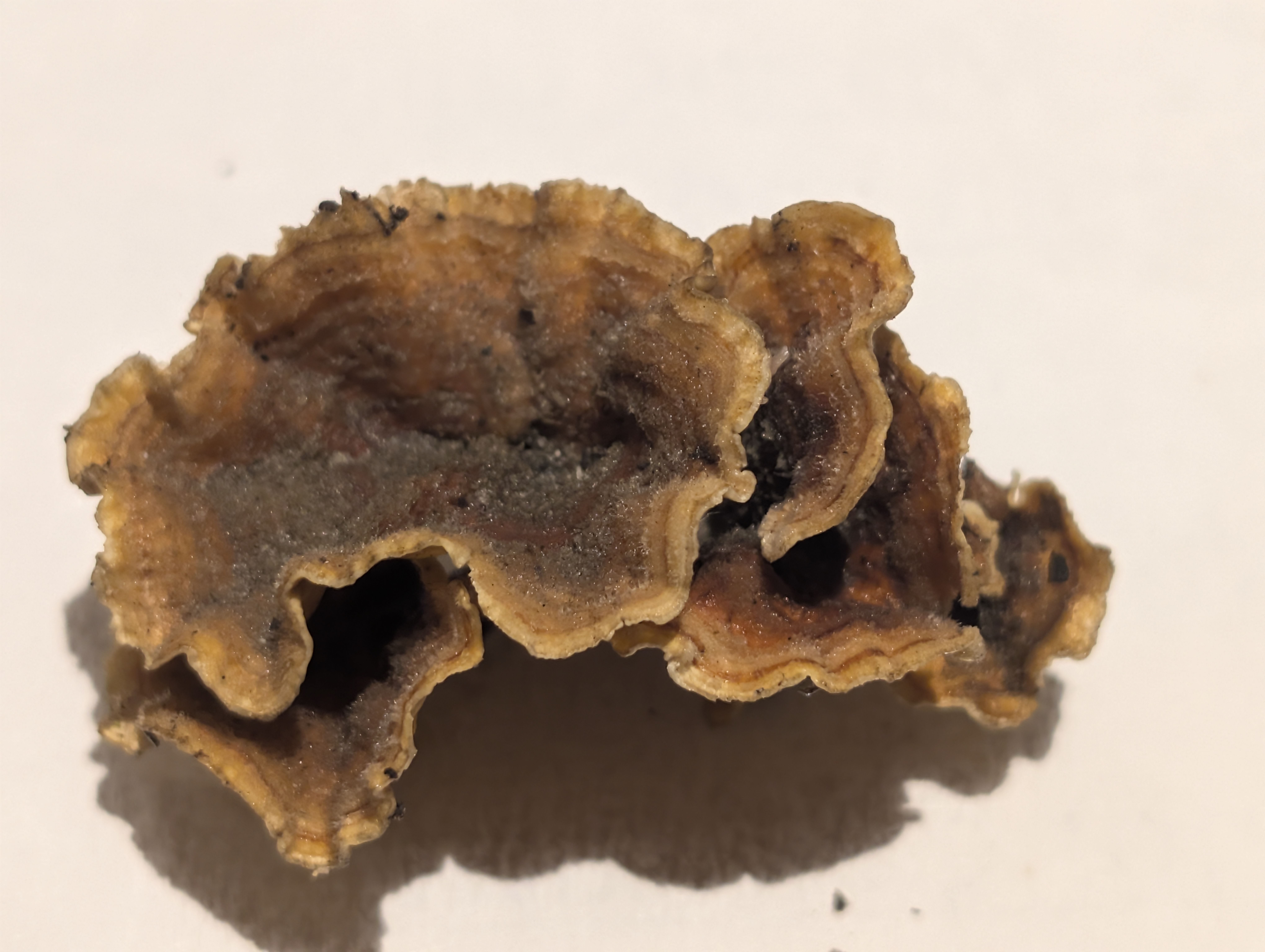
As for me, Demeter and Persephone found me reading Entangled Life: How Fungi Make Our Worlds, Change Our Minds & Shape Our Futures, so we took a hike to go looking for mushrooms. It was a total failure — but out of nowhere, a new side quest had been added to the itinerary. Now everywhere we went we found ourselves looking at the ground, hunting for mushrooms. The obsession ran so deep that one rainy day we drove around exclusively looking for spots where we might find them. It wasn’t until the next day, near Mount Olympus, that we found all of these. Pure ecstasy.
 |
 |
 |
 |
 |
 |
 |
 |
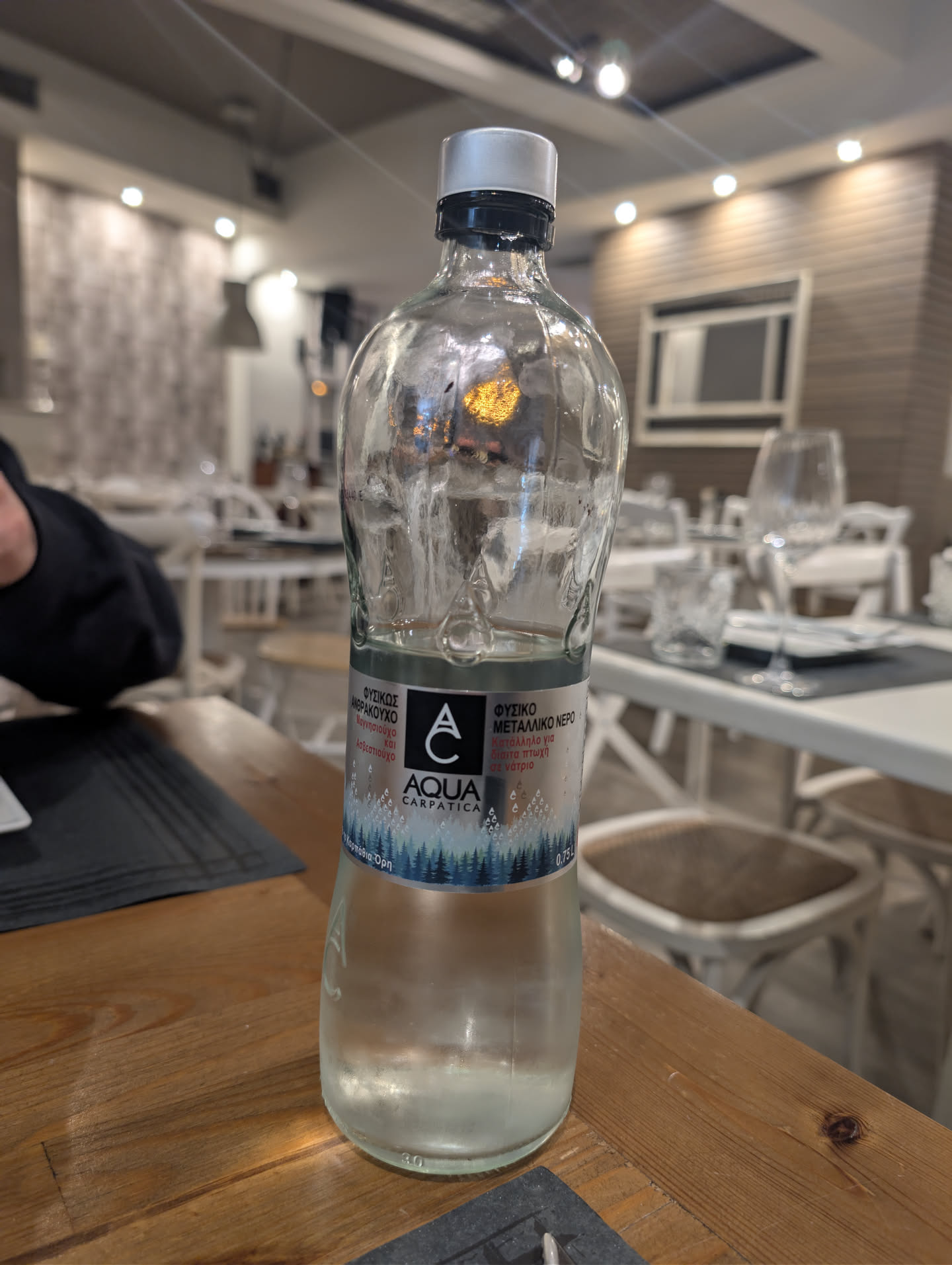
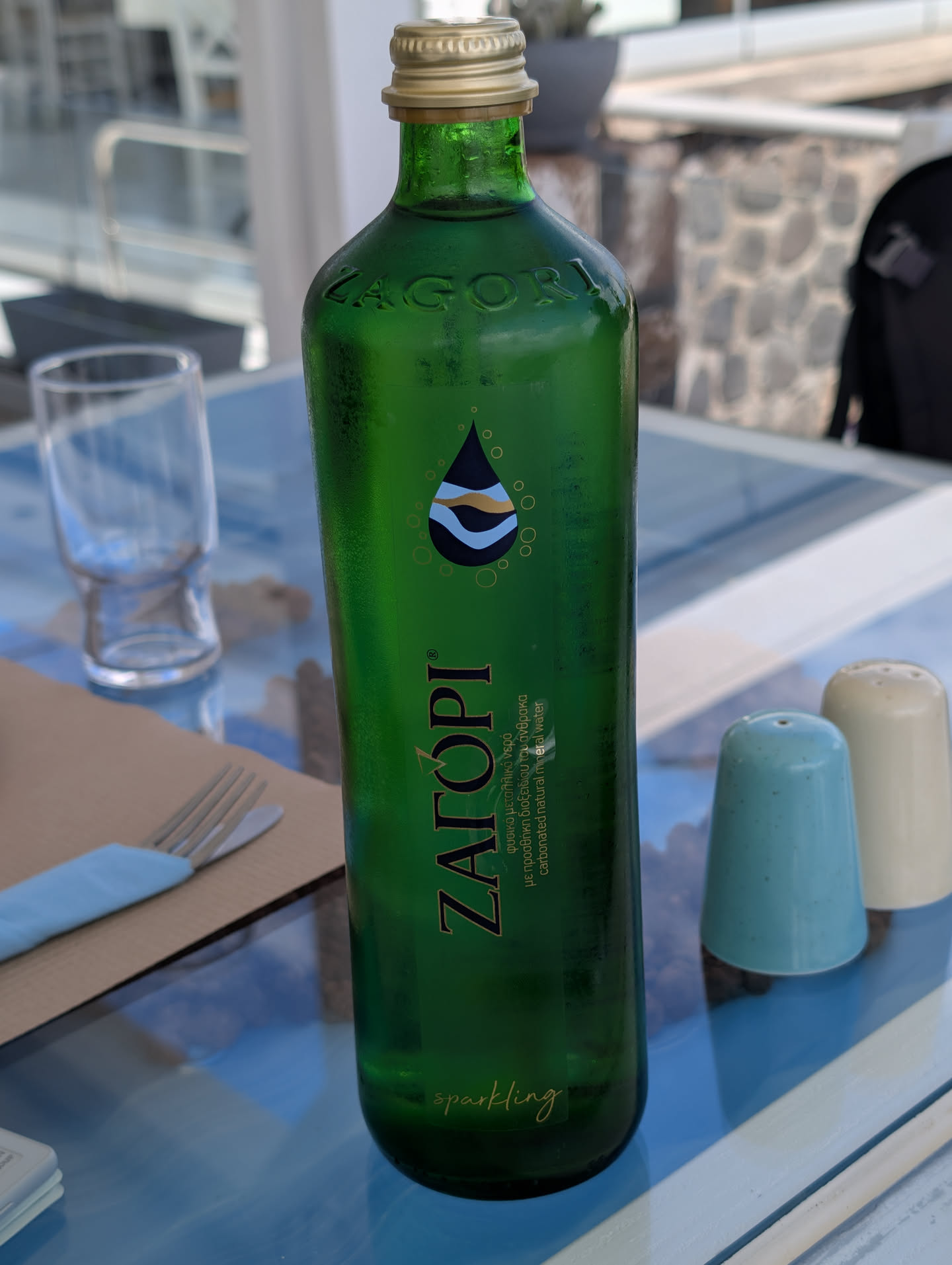
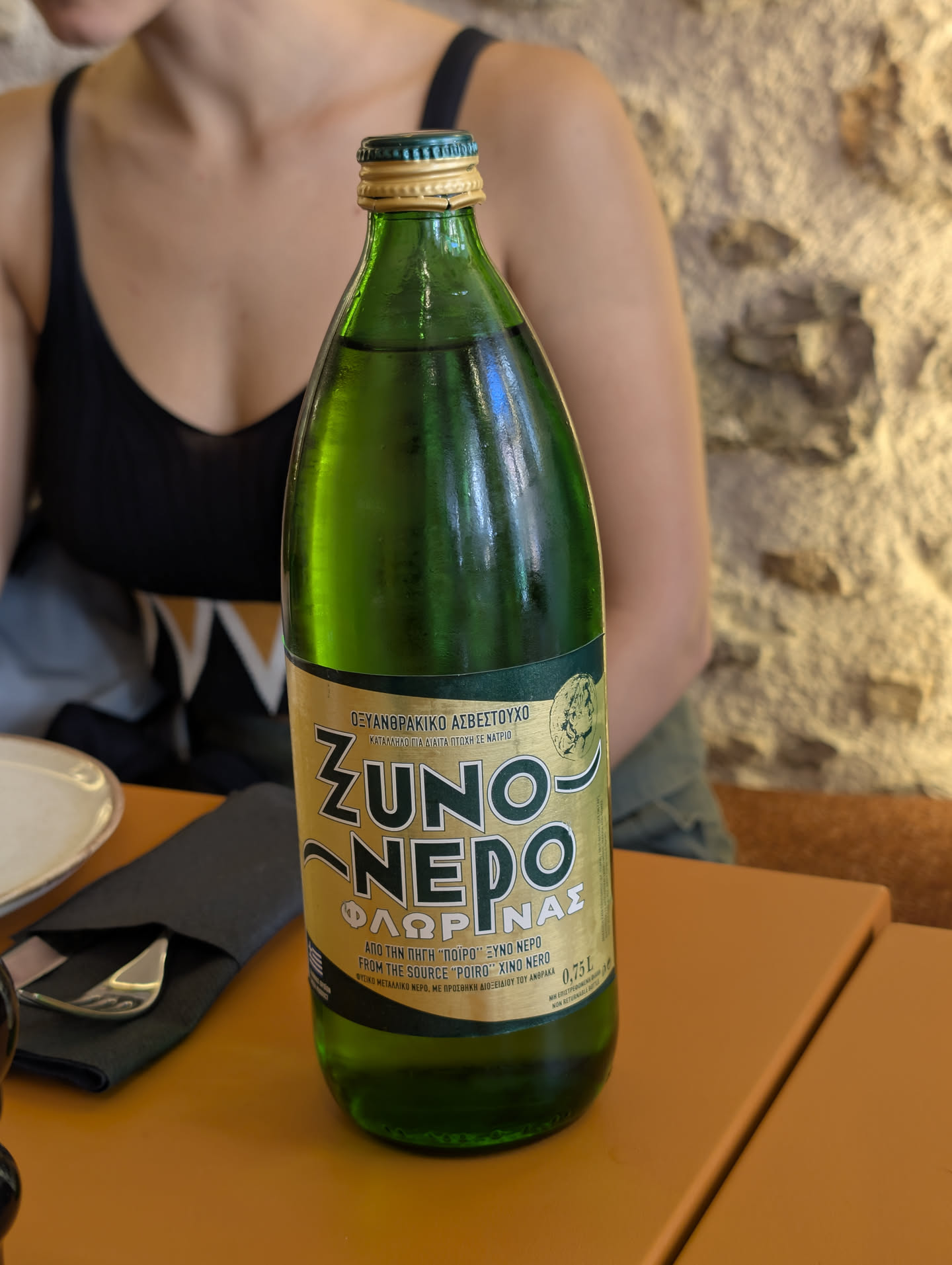
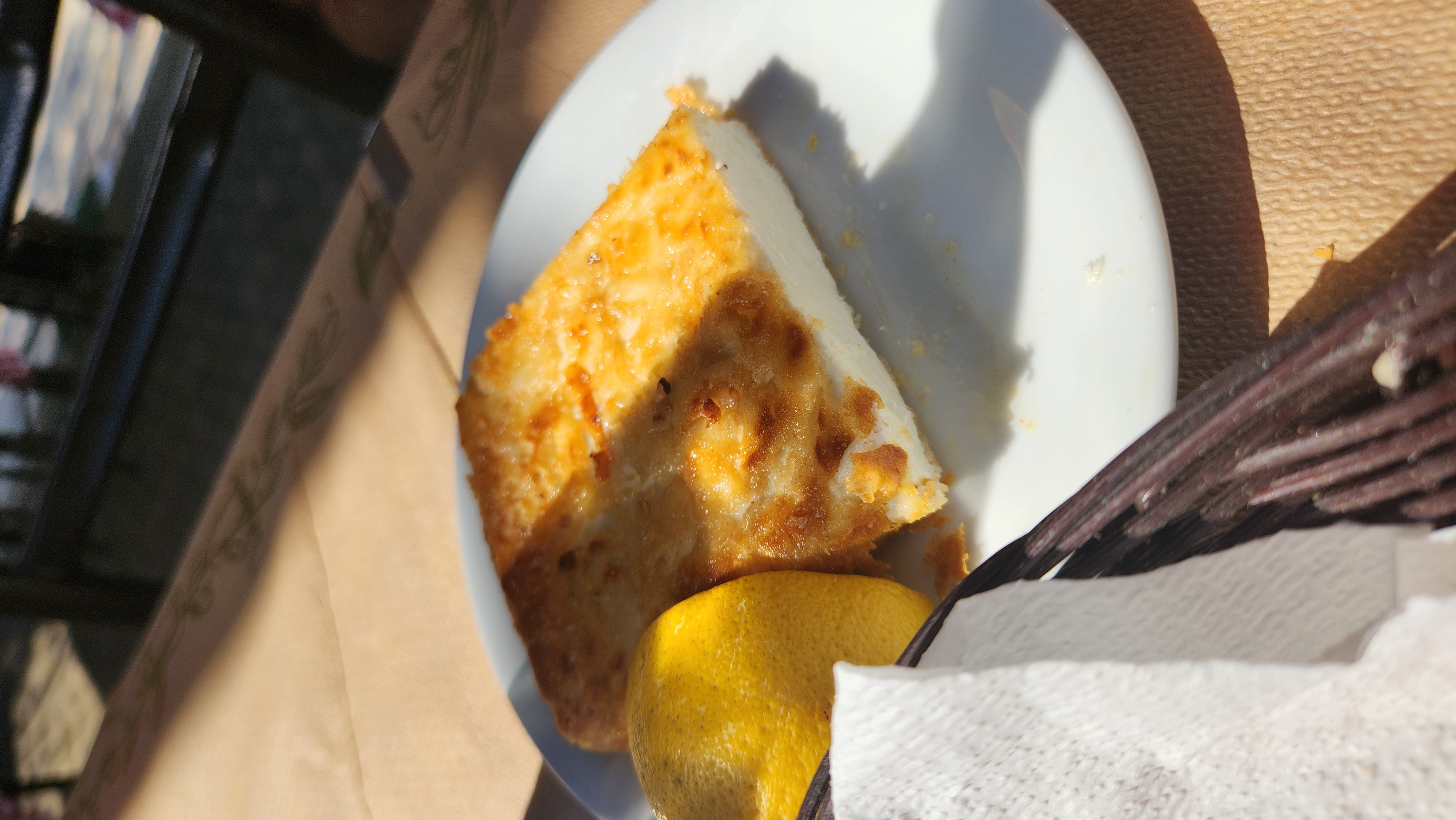
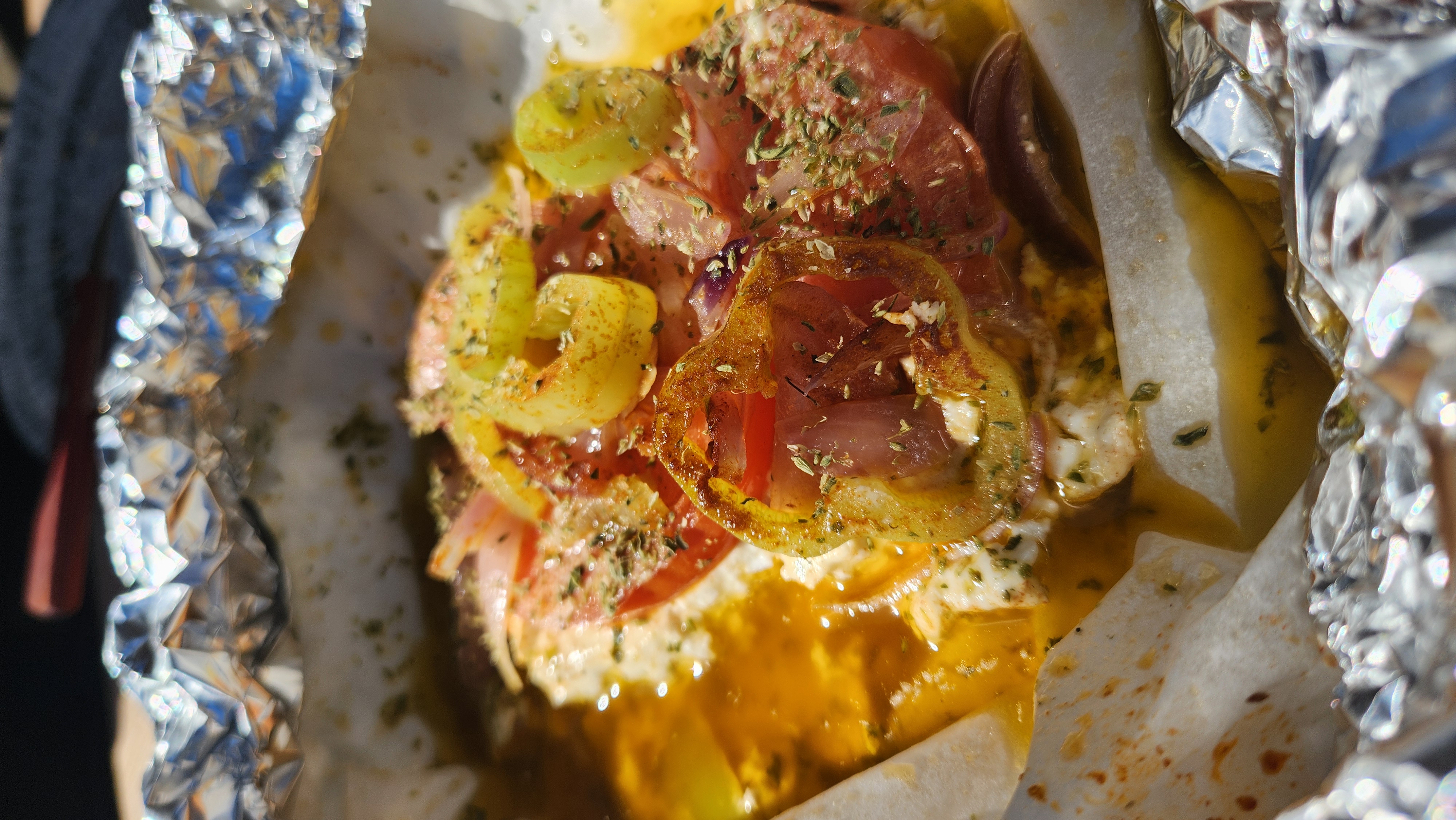
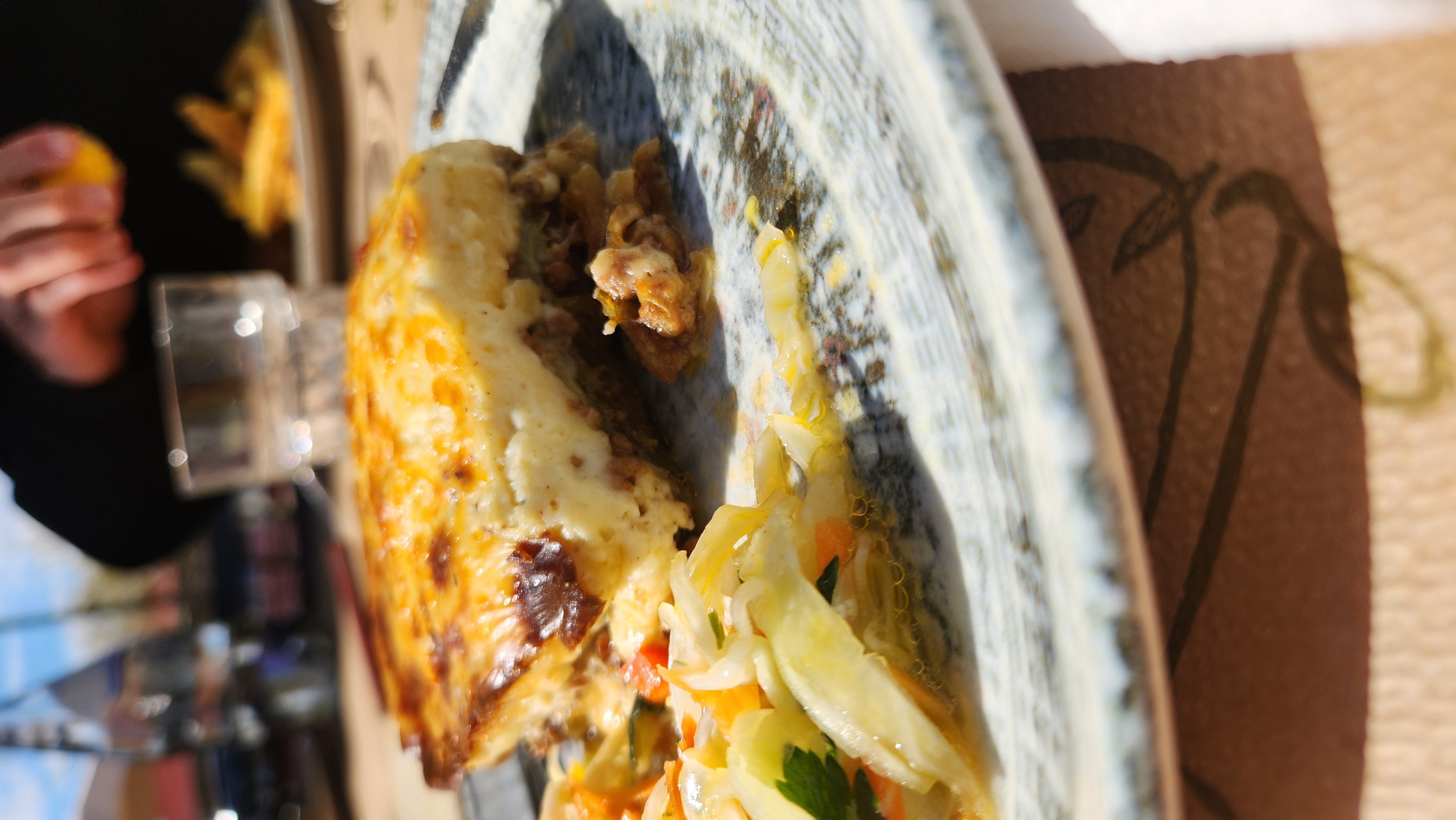
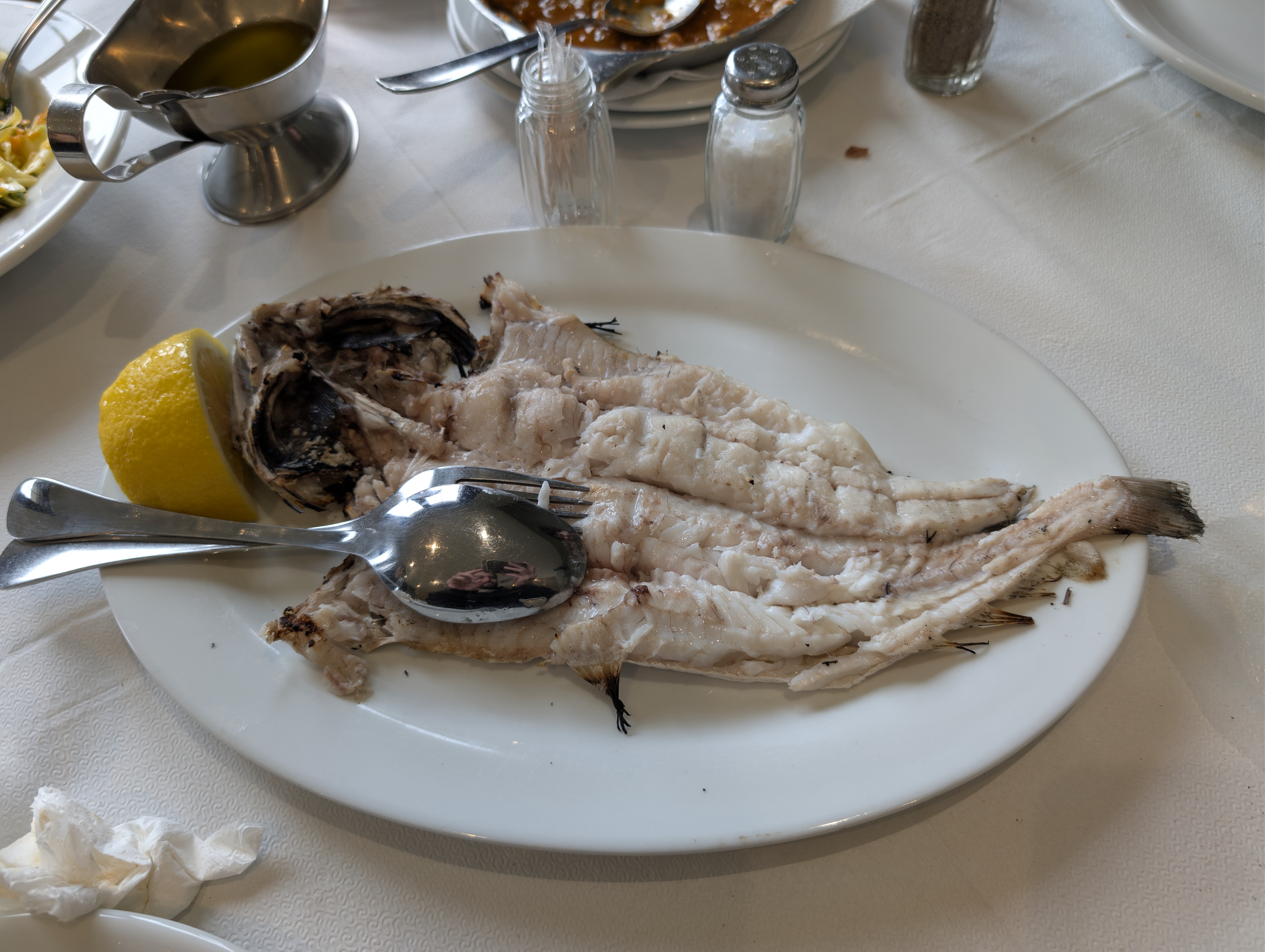
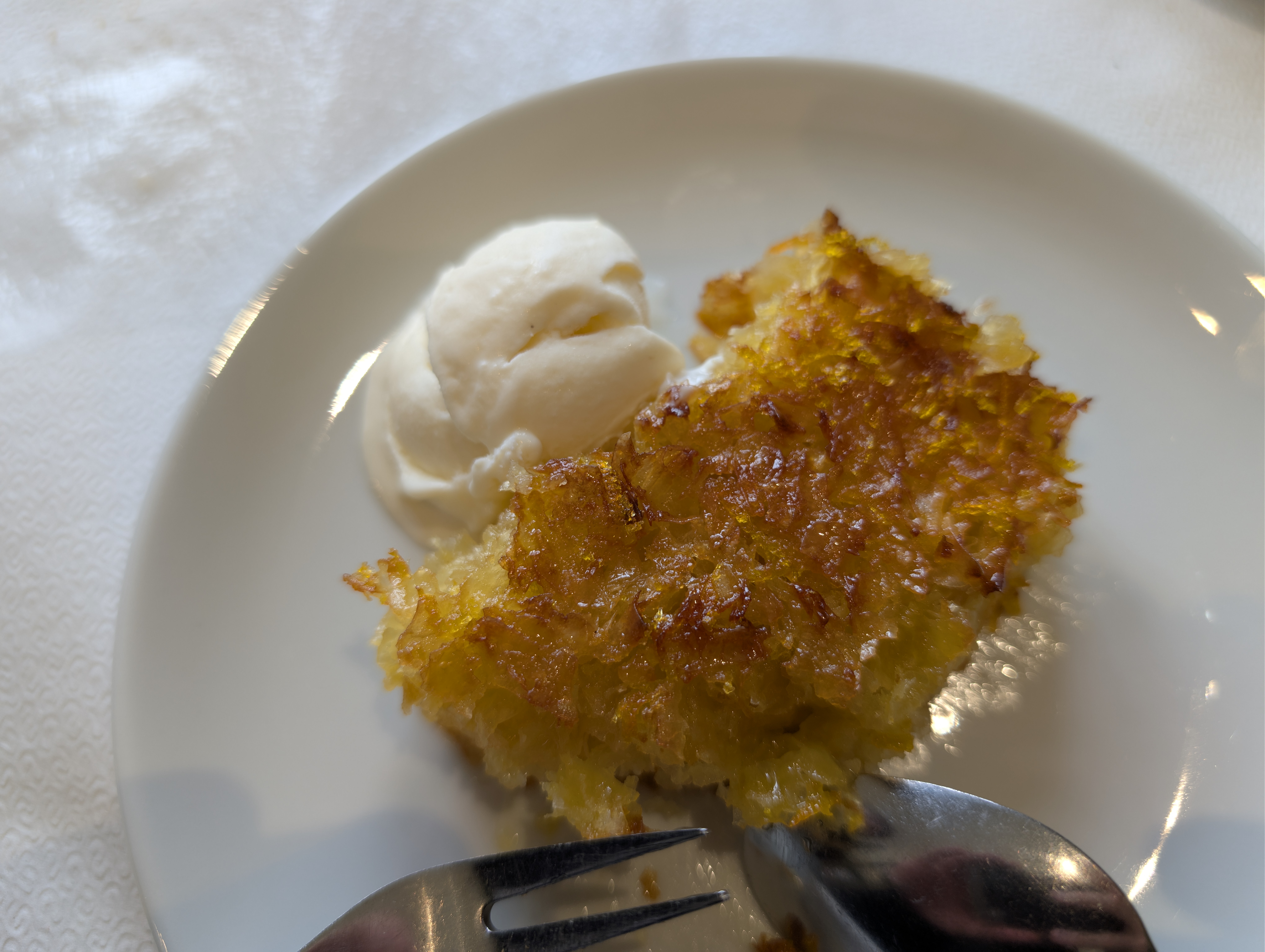
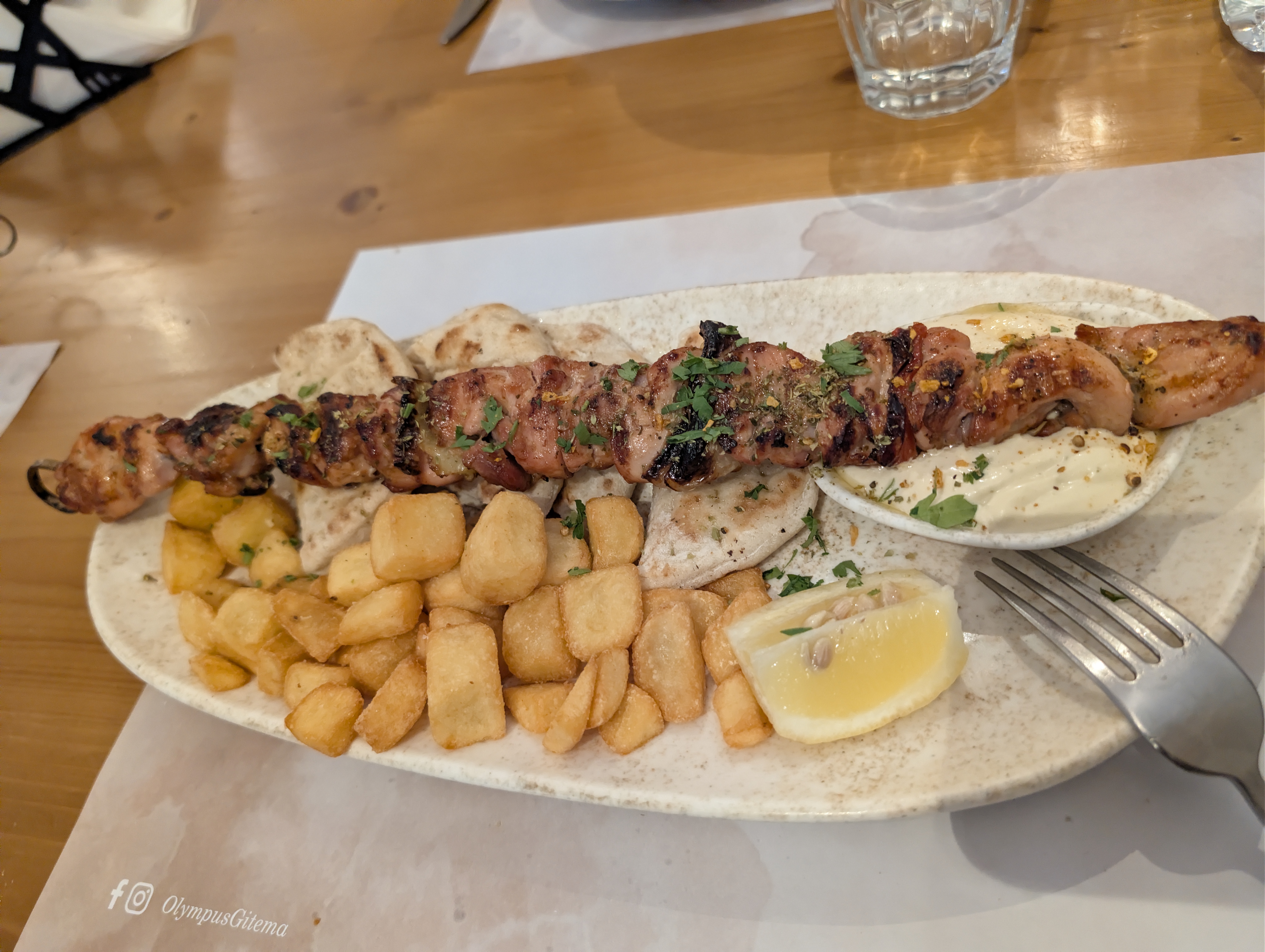
Finally, the food: good, unfamiliar, but repetitive. We probably made the mistake of always going to traditional Greek tavernas, and while we didn’t find better Gyros than at The Quick Greek (Barcelona), the food was affordable and well-made. They’d bring water and dessert by default, and the service was excellent. The sparkling water quality: superlative (sparkling water 1, sparkling water 2 and sparkling water 3). I don’t think there was a single place where we didn’t order Saganaki as a starter — by the third restaurant it was clear there was no escaping it. Only Souvlaki and Moussaka came close to matching Saganaki (aka Feta Cheese), but there was also fish, red meat, and of course, an enormous amount of coffee.
 |
 |
 |
|
 |
 |
 |
If you made it this far, you’ve probably noticed this post was mostly informational, written with family and friends in mind. If I had to close it out, I’d say Greece was less a destination and more an excuse to break from the routine, step away from the computer for a while, and touch grass.
Note on Translation: This post was originally written in highly colloquial Argentine Spanish, known for its unique slang, cultural nuances, and rhythm. It has been translated into English heavily using AI, so some of the original tone and cultural nuances may have been lost in translation.